
Article
Why Missouri Weather Damages Vehicle Paint Faster
Missouri Weather Is Tough on Vehicle Paint
Missouri drivers deal with more than just normal road wear. Between hot summers, freezing winters, road salt, pollen, rain, humidity, and UV exposure, vehicles in areas like St. Peters, St. Charles, O’Fallon, and Cottleville face constant environmental damage throughout the year.
Many vehicle owners notice:
- Paint fading faster
- Water spots becoming harder to remove
- Clear coat deterioration
- Oxidation on darker vehicles
- Swirl marks and surface contamination
Without proper protection, these conditions slowly wear down your vehicle’s finish and reduce its long-term appearance.
Hot Summers & UV Rays Cause Paint Fading
Missouri summers bring intense sunlight and high temperatures. Constant UV exposure breaks down your vehicle’s clear coat over time, especially on:
- Black vehicles
- Red paint
- Dark blue finishes
- Vehicles parked outdoors daily
You may start noticing:
- Dull paint
- Loss of gloss
- Fading on hood and roof panels
- Oxidation
This is especially common for daily drivers parked outside at work, apartments, or driveways around St. Charles County.
Ceramic coating helps create a protective layer that reduces UV-related paint damage while keeping the finish glossier longer.
Road Salt During Missouri Winters Is Extremely Harsh
Winter road salt is the single biggest accelerator of paint deterioration for Missouri vehicles. Salt and de-icing chemicals bond to lower panels, wheel wells, rocker panels, and bumpers — and unlike mud or grime that a wash removes, road salt residue works its way into paint chips, scratches, and panel seams where it sits and accelerates corrosion from underneath long after the snow has melted.
The damage isn't always visible immediately. A vehicle that looks fine coming out of winter may have months of salt residue sitting in seams and unprotected areas that continues working on the paint surface through spring. By the time oxidation or corrosion becomes visible, the underlying damage has been building for months.
Professional decontamination — specifically ferrous metal remover and clay bar treatment — removes bonded salt residue that standard washing leaves behind. Combined with a ceramic coating that seals the paint surface before winter begins, it's the most effective approach to keeping Missouri winters from shortening your vehicle's finish life.
Water Spots Become a Serious Problem
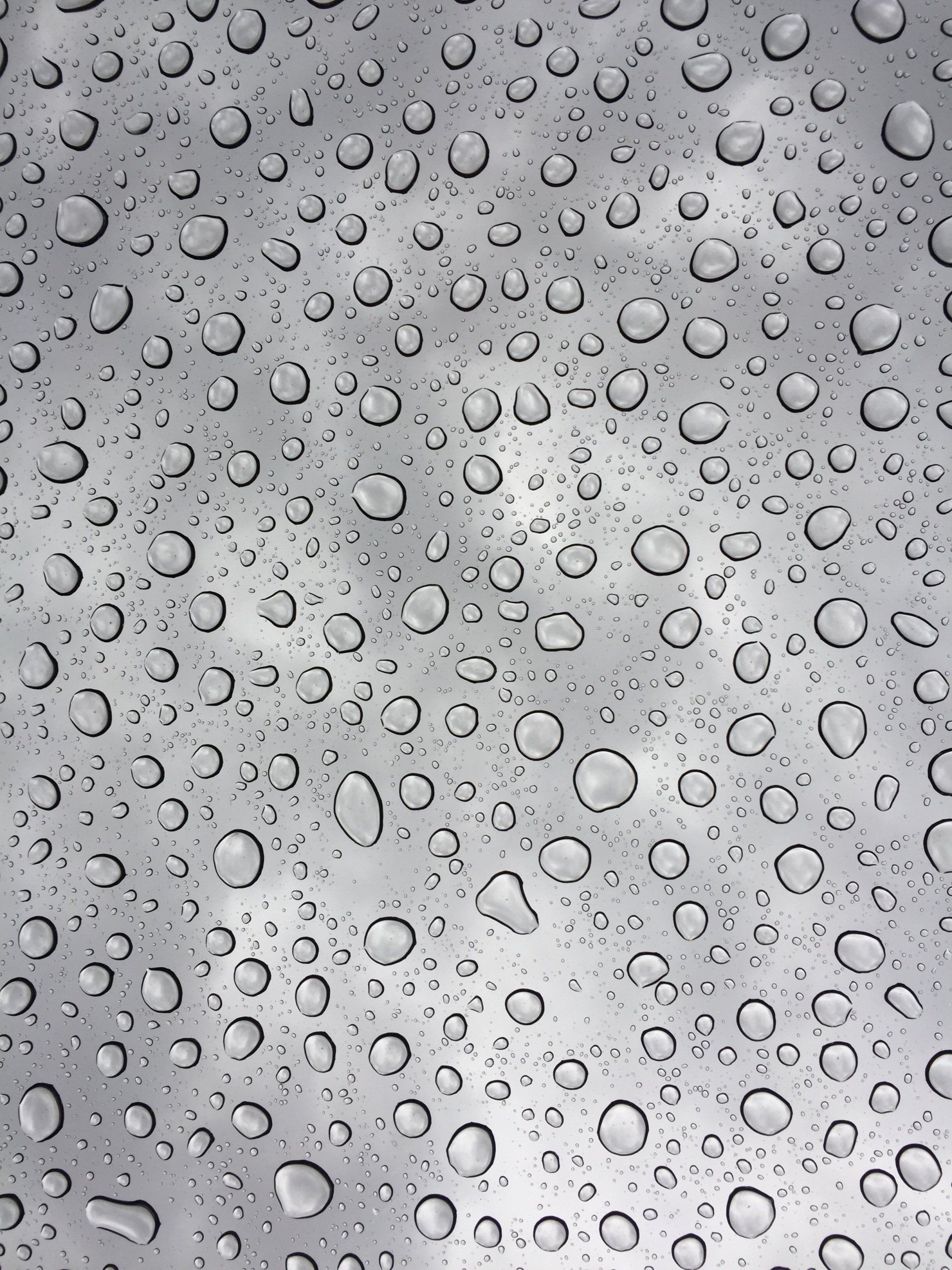
Missouri weather changes constantly. Rain, humidity, sprinkler systems, and hard water often leave mineral deposits behind.
Over time, water spots can:
- Etch into clear coat
- Leave permanent marks
- Reduce gloss
- Become difficult to remove
This is especially common during warmer months when water evaporates quickly on hot panels. Vehicles without protection usually require polishing or paint correction to fully restore the finish.
Pollen, Dust & Humidity Add More Surface Contamination
Spring and summer in Missouri bring heavy pollen and airborne contamination. Combined with humidity, dirt sticks to the paint much more aggressively.
This creates:
- Rough-feeling paint
- Contaminated surfaces
- Increased swirl marks during washing
- Faster buildup of grime
Drivers around St. Peters and O’Fallon often notice their vehicles looking dirty again shortly after washing because contaminants bond directly to unprotected paint.
Daily Driving Conditions Also Affect Paint
Missouri roads expose vehicles to:
- Gravel
- Construction dust
- Highway debris
- Mud
- Tree sap
- Bird droppings
Even regular commuting through St. Charles County can slowly damage a vehicle’s finish over time.
The more miles driven, the more contamination builds up on the surface.
That’s why many vehicle owners now invest in ceramic coating and professional detailing before visible damage becomes severe.
How Ceramic Coating Helps Protect Against Missouri Weather
Ceramic coating creates a durable protective barrier over your paint that helps:
- Reduce UV damage
- Repel water and road grime
- Make cleaning easier
- Improve gloss and shine
- Slow contamination buildup
- Protect against harsh seasonal conditions
Unlike traditional wax, ceramic coatings provide longer-lasting protection that holds up better against Missouri weather extremes.
For drivers dealing with constant sun exposure, winter salt, or outdoor parking, ceramic coating can significantly reduce long-term paint deterioration.
What Missouri Drivers Are Doing Differently in 2026
Over the past year, Detail 360 has seen a clear shift in how St. Charles County drivers are approaching paint protection. More customers are coming in proactively — before visible damage appears — rather than after oxidation, water spot etching, or clear coat deterioration has already set in. The reason is simple: correcting weather damage costs significantly more than preventing it.
Paint correction to remove two or three seasons of accumulated Missouri weather damage requires machine polishing and takes 6–10 hours. A ceramic coating applied to properly prepared paint before damage accumulates takes the same investment once — and protects for years. Drivers around O'Fallon, Wentzville, and Lake St. Louis who commute on I-64 daily and park outside are the ones seeing the biggest difference in how long their paint stays in good condition compared to uncoated vehicles in the same conditions.
The pattern we see most: a vehicle comes in for its first professional detail after 2–3 years and shows UV haze, water spot etching, and road salt staining that required correction before any protection could be applied. The same vehicle properly coated after year one would have needed only a maintenance wash.
Why Missouri Drivers Choose Detail 360
At Detail 360, we work with vehicles exposed to Missouri weather every day. From daily commuters to trucks, SUVs, sports cars, and weekend vehicles, we help drivers protect their paint with professional ceramic coating and detailing services.
Our process focuses on:
- Proper paint preparation
- Thorough decontamination
- Professional-grade ceramic coatings
- Long-term vehicle protection
- Real-world durability for Missouri conditions
We proudly serve drivers throughout:
- St. Peters
- St. Charles
- O’Fallon
- Cottleville
- Dardenne Prairie
- Weldon Spring
Protect Your Vehicle Before Damage Gets Worse
Missouri weather isn’t getting easier on vehicle paint. The longer contaminants, UV exposure, and road grime sit on the surface, the harder damage becomes to correct.
If your vehicle is starting to lose gloss, collect water spots, or show signs of wear, professional paint protection can help preserve its appearance and make maintenance easier year-round.
Detail 360 provides
professional ceramic coating and detailing services
designed specifically for Missouri driving conditions.
Missouri Weather Paint Damage — Season by Season
Understanding what each Missouri season does to your vehicle's paint helps explain why year-round protection matters rather than a single annual detail:
Winter — Road salt, de-icing chemicals, grit, and moisture combine into the most corrosive conditions your vehicle faces all year. Unprotected paint, chips, and seams are all vulnerable. Ceramic-coated vehicles require only regular washing to clear salt buildup. Uncoated vehicles accumulate bonded contamination that requires professional decontamination to fully remove in spring.
Summer — Peak UV damage season. Missouri heat accelerates water spot etching — mineral deposits dry instantly on hot panels. Bug protein from highway driving etches into clear coat within 48 hours. Vehicles parked outside accumulate UV damage, heat stress, and contamination simultaneously.
Spring — Heavy pollen and tree sap season. Pollen is mildly acidic and bonds to paint surfaces aggressively in humidity. Tree sap hardens quickly in warming temperatures and etches into clear coat if not removed within days. Rain leaves hard water mineral deposits on every exposed surface.
Fall — Decaying leaves deposit tannins onto paint that stain and etch if left. First road salt applications begin in November. Fall is the last clean window to detail and protect before winter — which is why fall detailing bookings at Detail 360 consistently fill up faster than any other season.
Frequently Asked Questions
Does Missouri weather really damage vehicle paint faster?
Yes. Missouri vehicles deal with UV exposure, humidity, rain, winter salt, and seasonal contamination that can accelerate paint deterioration over time.
What causes water spots on cars in Missouri?
Hard water minerals, rain, sprinkler systems, and heat can leave mineral deposits that dry onto the paint and create water spots.
Is ceramic coating worth it in Missouri?
For many drivers, yes. Ceramic coating helps protect against UV rays, road grime, water contamination, and seasonal weather conditions common in Missouri.
How do I protect my vehicle from road salt?
Regular washing, decontamination, and ceramic coating help reduce salt buildup and protect painted surfaces during winter months.
Can detailing remove weather-related paint damage?
In many cases, professional detailing and paint correction can improve swirl marks, oxidation, and surface contamination before applying protection.
Book your detailing service today and keep your vehicle looking its best year-round.
share this
Related Articles
Related Articles