


Article
Does Ceramic Coating Prevent Water Spots?
Water spots are one of the most frustrating problems for vehicle owners. You wash your car, it looks perfect for a day or two, and then suddenly mineral spots and streaks appear across the paint and windows again.
Around St. Peters and St. Charles County, this is especially common because of hard water, summer heat, rain, and vehicles sitting outdoors for long periods. Many drivers turn to ceramic coating hoping it will completely stop water spots from happening.
So, does ceramic coating actually prevent water spots?
The short answer: it helps significantly, but it’s not completely water-spot proof.
Why Water Spots Happen
Water spots form when water containing minerals like calcium and magnesium dries on your vehicle’s surface. After the water evaporates, those minerals remain behind and create visible spots or stains.
In Missouri, drivers commonly deal with:
- Hard water from sprinklers and hose washing
- Rainwater drying under direct sunlight
- Morning dew baking onto hot paint
- Mineral buildup after automatic car washes
The severity of water spotting can depend on how long the water remains on the surface and how concentrated the minerals are. A few drops that dry quickly may leave only a light residue, while repeated exposure to mineral-rich water can create more noticeable deposits.
This is why water spots can become particularly frustrating during warm weather. A vehicle that gets wet and then sits in direct sunlight can dry quickly, leaving mineral residue behind before the owner has a chance to dry the surface.
How Ceramic Coating Helps Reduce Water Spots
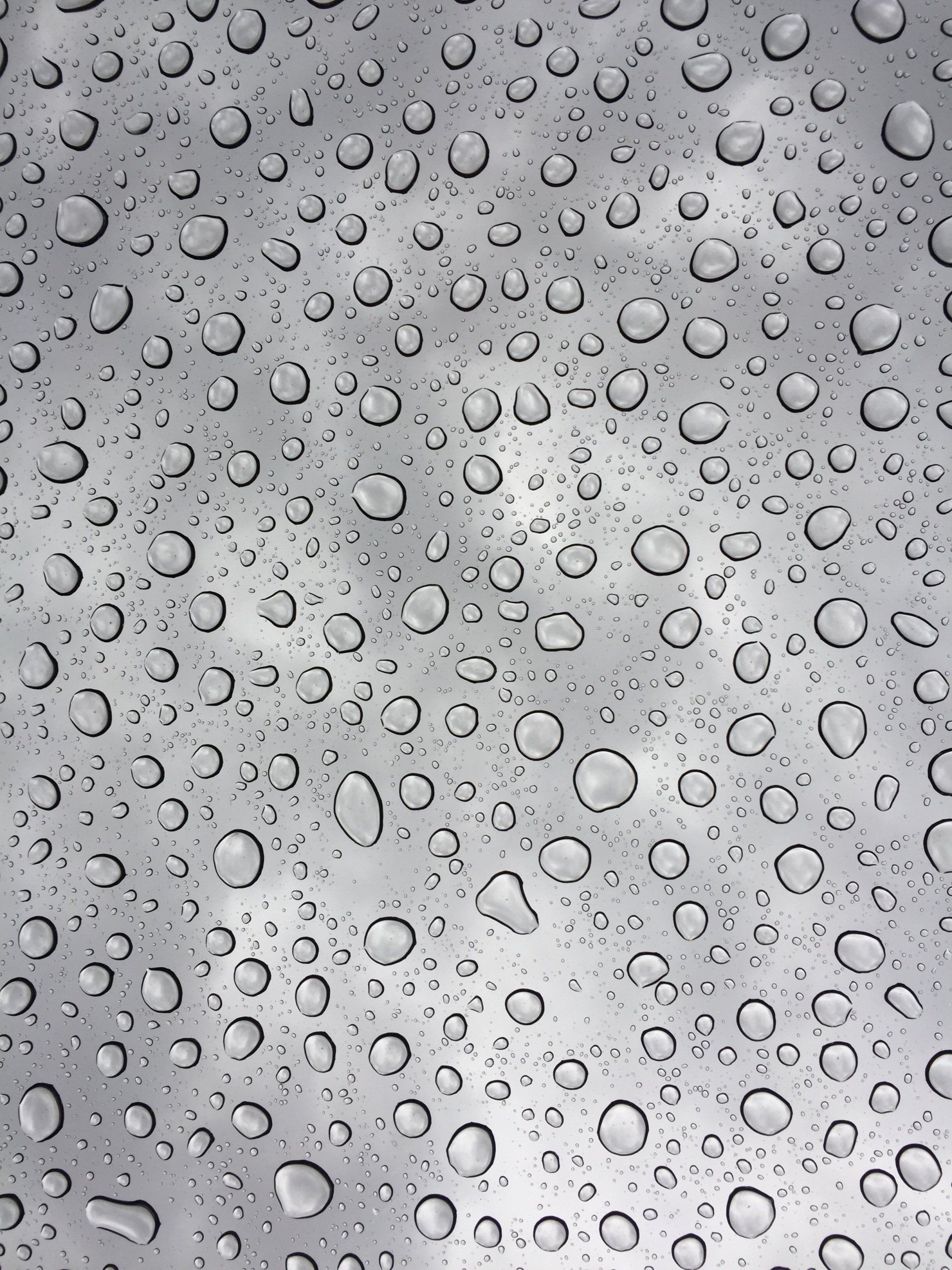
Ceramic coating creates a slick, hydrophobic surface that repels water more effectively than unprotected paint.
Instead of water spreading across the surface, it beads up and rolls off more easily. This reduces the amount of standing water left behind, which means fewer mineral deposits can form.
Many vehicle owners notice:
- Less water clinging to the paint
- Easier drying after washing
- Reduced mineral buildup
- Easier cleanup when spots appear
The hydrophobic behavior of a ceramic coating can also make routine drying easier. Instead of having large amounts of water spread across the paint, water tends to collect into smaller beads that can be removed more easily with proper drying techniques.
However, water behavior depends on the condition of the coating and how well it is maintained. Contamination, improper washing, and normal wear can affect hydrophobic performance over time. Regular maintenance helps the coating continue performing as intended.
Ceramic Coating Does Not Make Your Vehicle Immune
One common misconception is that ceramic coating completely eliminates water spots forever. That’s not entirely true.
If hard water sits on the surface long enough—especially under direct Missouri summer heat—minerals can still dry onto the coating itself.
The good news is that water spots are usually easier to remove from a coated vehicle than from unprotected paint because contaminants sit on top of the protective layer instead of bonding directly to the paint.
This extra layer helps reduce the chance of permanent etching and paint damage.
There is also a difference between water spotting and water-spot etching. A fresh mineral deposit may simply sit on top of the surface and be removable with proper cleaning. If minerals remain on the surface for an extended period, however, they can become more difficult to remove and may eventually affect the surface underneath.
Ceramic coating provides an additional layer between the contaminants and the vehicle's paint, but it should not be treated as a permanent shield against neglect. Removing water and mineral deposits before they have time to sit on the surface is still one of the best ways to minimize the problem.
Missouri Weather Makes Water Spots Worse
Drivers in St. Charles County experience several conditions that contribute heavily to spotting:
- Hot summer temperatures
- Humidity and rainstorms
- Lawn sprinklers hitting parked vehicles
- Hard water from residential washing
- Rapid drying under sunlight
For example, many homeowners wash their vehicle in the driveway during the afternoon, but when water dries too quickly in direct sun, spotting becomes almost unavoidable.
Ceramic coating helps slow down that problem by improving water behavior on the surface.
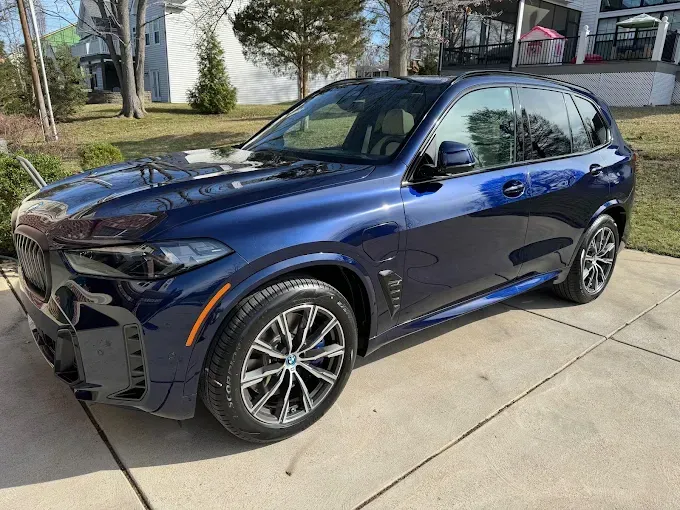
Water spots can also come from sources other than rain. Sprinklers, garden hoses, pressure washers, and even water left behind after washing can contain minerals that remain on the surface after evaporation.
For vehicles parked outside around St. Peters, St. Charles County, Cottleville, and O'Fallon, these repeated exposures can make spotting a regular maintenance issue. Keeping the vehicle protected and drying it properly after getting wet can help reduce how frequently these deposits become noticeable.
Proper Maintenance Still Matters
Even with ceramic coating, maintenance plays a major role in preventing spotting.
The goal is to avoid allowing mineral-rich water to dry naturally on the vehicle whenever possible. This is especially important after washing, because even clean water can leave deposits if it contains enough dissolved minerals.
A ceramic-coated vehicle should still be washed using appropriate products and techniques. Aggressive scrubbing or harsh cleaning methods are not necessary for routine maintenance and may create other surface issues.
To reduce water spots:
- Dry the vehicle after washing
- Avoid washing in direct sunlight
- Remove sprinkler water quickly
- Use clean microfiber drying towels
- Wash regularly to prevent mineral buildup
Vehicles that are coated and properly maintained usually stay cleaner longer and are easier to care for overall.
Why Professional Ceramic Coating Makes a Difference
Not all ceramic coatings perform the same way. Professional-grade coatings typically provide better durability, stronger hydrophobic properties, and longer-lasting protection than basic DIY products.
At Detail 360, ceramic coating services are designed to help Missouri drivers protect their paint from everyday environmental conditions like water spots, dirt, road grime, and UV exposure.
Proper preparation and professional application help maximize both appearance and long-term performance.
Professional application also starts with proper surface preparation. Existing dirt, contamination, and other surface residue need to be removed before the coating is applied. Depending on the condition of the vehicle, paint decontamination or polishing may also be appropriate before coating.
This preparation matters because a ceramic coating is only as good as the surface it is applied to. Proper preparation helps create a clean foundation for the coating and can improve the overall appearance and performance of the finished surface.
Final Thoughts
Ceramic coating may not completely eliminate water spots, but it can dramatically reduce them while making your vehicle easier to clean and maintain.
For drivers in St. Peters, Cottleville, O’Fallon, and surrounding St. Charles County areas, ceramic coating helps protect against the everyday conditions that constantly affect vehicle paint.
The most effective approach is to combine ceramic coating with good washing and drying habits. A protected vehicle that is regularly maintained is much better positioned to resist buildup and remain easier to clean than a vehicle that is left exposed to water and contaminants for extended periods.
If you’re tired of spotting, difficult cleanup, and constant maintenance, Detail 360 can help you protect your vehicle with professional ceramic coating services built for Missouri conditions.
FAQ – Ceramic Coating & Water Spots
Does ceramic coating stop water spots completely?
No, ceramic coating does not completely prevent water spots, but it helps reduce them by repelling water and making mineral buildup easier to clean.
Why do black vehicles get water spots more easily?
Water spots are more visible on dark-colored paint because mineral residue contrasts sharply against black and darker finishes.
Can hard water damage ceramic coating?
Hard water minerals can build up on coated surfaces if left untreated for long periods, especially in direct sunlight.
Is ceramic coating worth it for Missouri weather?
Yes, ceramic coating helps protect against UV rays, rain, dirt, road grime, and water spotting common throughout Missouri seasons.
How do I remove water spots from a ceramic-coated vehicle?
Light water spots can often be removed with proper washing and drying techniques. More severe buildup may require professional maintenance detailing.
Can rain cause water spots on a ceramic-coated car?
Yes. Rainwater can leave mineral and environmental residue behind when it dries on the vehicle. Ceramic coating helps reduce how strongly these contaminants adhere, but it does not make the surface completely immune to water spots.
Does ceramic coating make water easier to dry from a car?
Yes. The hydrophobic surface created by ceramic coating can cause water to bead and release more easily, which can make drying faster and reduce the amount of water left sitting on the paint.
Book your detailing service today and keep your vehicle looking its best year-round.
share this
Related Articles
Related Articles