
Article
Does Window Tint Reduce Heat Inside Your Car?
Yes — window tint does reduce heat inside your car. But how much heat it actually blocks depends entirely on the type of film installed. A basic dyed tint and a premium ceramic film are both called window tint, but they perform very differently when it comes to heat rejection. If you have ever sat in a tinted car on a Missouri summer afternoon and still felt like you were in an oven, the film type is likely why.
Here is a clear breakdown of how window tint reduces heat, which film types actually perform, and what to expect from each option.
How Window Tint Reduces Heat
Glass on its own does almost nothing to block solar heat. Standard automotive glass allows the majority of solar energy — including infrared radiation, which is the component of sunlight responsible for heat — to pass directly into the cabin. That energy heats up your seats, dashboard, steering wheel, and the air inside the vehicle quickly, especially when the car has been parked in direct sun.
Window tint reduces heat by blocking or reflecting a portion of that solar energy before it enters the cabin. Different film types do this in different ways and at very different levels of effectiveness.
The three types of solar energy that tint addresses:
- Visible light — the part of sunlight you can see, measured by VLT (visible light transmission)
- Ultraviolet radiation — the component that damages skin and causes interior fading
- Infrared radiation — the component responsible for the heat you feel inside the vehicle
Most people assume that darker tint means more heat rejection. That is not accurate. Darkness controls how much visible light passes through — it does not directly determine how much infrared heat is blocked. A very dark dyed film can still allow significant heat into the cabin, while a lighter ceramic film can reject far more heat while remaining nearly clear.
How Much Heat Does Window Tint Actually Block
On a summer afternoon in Missouri, the interior of an untinted parked vehicle can reach 145°F to 160°F. Dashboard surfaces and steering wheels can get even hotter — hot enough to be genuinely uncomfortable to touch.
A quality ceramic window film can reduce interior temperatures by 30 to 60 degrees Fahrenheit under the same conditions. That is not a small difference. It means a cabin that reaches 150°F untinted may reach 90 to 100°F with ceramic film installed — still warm, but dramatically more manageable, and a vehicle that cools down much faster once the AC is running.
Dyed and carbon films offer meaningful but more modest heat reduction. They block a portion of solar energy but allow more infrared heat through than ceramic films do, so the temperature difference is noticeable but not as dramatic.
Dyed Film — Basic Heat Reduction
Dyed window film is the most affordable tint option. It works by absorbing solar energy in the dye layer of the film, which reduces the amount of visible light and some heat that passes through.
What dyed film does well:
- Reduces visible glare coming through the glass
- Adds privacy by limiting visibility into the cabin
- Provides a darker appearance at a lower price point
Where dyed film falls short on heat:
- It absorbs heat rather than reflecting it, which means the film itself gets warm and some of that heat still radiates into the cabin
- Heat rejection performance is lower than carbon or ceramic options
- Film can fade over time as the dye degrades with sun exposure
For Missouri summers, dyed film makes a noticeable difference but is the weakest performer of the three main film types when it comes to actual cabin temperature reduction.
Carbon Film — Better Heat Rejection
Carbon window film does not contain metal and does not use dye. Instead, carbon particles in the film block both visible light and infrared radiation more effectively than dyed film, without the heat absorption issue that dyed film has.
What carbon film does better than dyed:
- Higher infrared heat rejection than dyed film
- Does not fade over time the way dyed film can
- No interference with phone signals, GPS, or toll transponders
- Clean matte exterior appearance that looks sharp on most vehicles
Carbon film is a solid mid-range option for Missouri vehicles — noticeably better heat performance than dyed film, at a price between dyed and ceramic.
Ceramic Film — Best Heat Rejection
Ceramic window film is the top-performing option for heat reduction. It uses ceramic particles — non-metallic and non-conductive — that are highly effective at blocking infrared radiation specifically, which is the primary driver of cabin heat.
What ceramic film does that dyed and carbon cannot match:
- Rejects significantly more infrared heat than any other film type
- Blocks up to 99% of UV radiation
- Maintains strong heat rejection even at lighter tint shades — meaning you can have a nearly clear ceramic film that still keeps the cabin dramatically cooler
- No signal interference with phones, GPS, satellite radio, or toll transponders
- Optically clearer from the inside, with less distortion than metallic or dyed films
- Longer lifespan with no fading or color shift over time
For Missouri summers specifically, ceramic film is the most practical choice for heat reduction. The performance gap between ceramic and dyed film on a 100-degree July afternoon in St. Peters, O'Fallon, or Wentzville is significant and immediately noticeable.
Does Tint Shade Affect How Much Heat Is Blocked
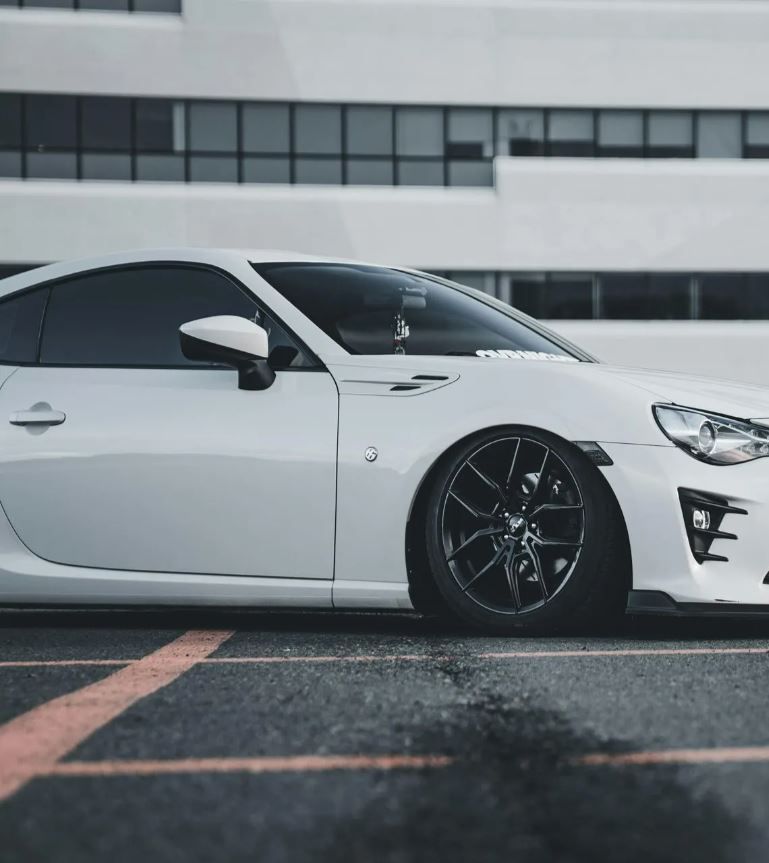
This is one of the most common misconceptions about window tint. Shade — or darkness — is measured by VLT, which describes how much visible light passes through the film. A 5% VLT film is very dark. A 50% VLT film is lighter.
Shade affects privacy and glare reduction. It does not directly determine heat rejection.
A 35% ceramic film — which is the lightest shade legally allowed on front side windows in Missouri — will reject more heat than a 5% dyed film, even though the dyed film looks much darker. The film's technology determines heat performance, not its darkness.
This matters for Missouri front window tinting specifically. Because Missouri law requires at least 35% VLT on front side windows, drivers who want maximum heat rejection on the front glass need ceramic film to get it — because the shade restriction limits how dark you can go, making film technology the only variable left to optimize.
The Difference Tint Makes for Missouri Summer Driving
Beyond cabin temperature, heat reduction from quality window tint has practical effects on daily driving in Missouri:
AC efficiency — a cooler cabin means your air conditioning reaches a comfortable temperature faster and does not have to work as hard to maintain it, which reduces fuel consumption on hot days
Driver comfort on long commutes — reducing heat on the driver's side specifically makes a real difference on long stretches of I-64, I-70, or Hwy 40 during summer
Passenger comfort in the rear — rear seat passengers, including children, are often more exposed to direct side sun than the driver. Rear window tinting addresses this directly
Interior protection — sustained heat accelerates fading and cracking of dashboards, door panels, leather seats, and trim. Reducing cabin temperature slows that process and preserves interior condition over time
Steering wheel and surface temperatures — a tinted vehicle left in a parking lot on a summer afternoon has a steering wheel and dashboard that are significantly more comfortable to touch immediately after getting in
Which Tint Is Right for Your Vehicle
If your main goal is heat reduction, ceramic film is the right choice. It delivers the highest heat rejection, the best UV protection, and the longest lifespan of any film type — and it does all of that while remaining legal on front windows at 35% VLT in Missouri.
If budget is the primary consideration, carbon film offers a meaningful step up from dyed film at a moderate price increase, with better heat performance and no fading over time.
If you primarily want privacy and glare reduction on rear windows and heat is a secondary concern, dyed film is a functional entry point — especially since Missouri allows any shade on rear side and rear windows, where darkness itself contributes to heat reduction even in a dyed film.
Frequently Asked Questions
Does darker tint mean more heat reduction?
Not necessarily. Film technology — ceramic, carbon, or dyed — determines heat rejection performance more than shade does. A lighter ceramic film can reject more heat than a darker dyed film.
How much cooler does a tinted car get?
Quality ceramic tint can reduce interior temperatures by 30 to 60 degrees Fahrenheit under direct Missouri summer sun. The exact difference depends on film type, shade, and how long the vehicle has been parked.
Does window tint reduce AC usage?
Yes. A cooler starting cabin temperature means the AC reaches a comfortable level faster and maintains it more efficiently, which reduces fuel consumption during summer driving.
Is ceramic tint worth the extra cost over dyed film?
For Missouri summers, yes. The heat rejection difference between ceramic and dyed film is significant enough that most customers who experience both notice it immediately. Ceramic film also lasts longer, does not fade, and does not interfere with electronics.
Does tint on the windshield help with heat?
Missouri law only permits non-reflective tint on the top 6 inches of the windshield, so full windshield tinting is not legal. For front heat reduction, front side window tinting with ceramic film is the most effective legal option.
How long does window tint last in Missouri heat?
Quality ceramic and carbon films are designed to handle sustained heat exposure without fading or degrading. Dyed films can fade over time with prolonged sun exposure. A professional installation with a quality film should last 5 to 10 years in Missouri conditions.
Does window tint protect the interior from sun damage?
Yes. Quality window film blocks up to 99% of UV radiation, which is the primary cause of dashboard cracking, seat fading, and trim discoloration over time.
Get Window Tinting Installed at Detail 360
Detail 360 installs ceramic, carbon, and dyed window film for vehicles across St. Peters, O'Fallon, St. Charles, Lake Saint Louis, Wentzville, and the surrounding Missouri communities. Every installation is done within Missouri's legal VLT requirements.
Contact us today to schedule your window tinting appointment and keep your cabin cooler this summer.
Not Sure Which Service Is Right for Your Vehicle?
Tell us what you drive and how you use it — we'll recommend the right service, honestly, whether that's a quick detail or full protection package.
Book your detailing service today and keep your vehicle looking its best year-round.
share this
Related Articles
Related Articles