
Article
Can You Wash a Ceramic Coated Car at an Automatic Car Wash?
It's one of the most common questions we hear after a customer gets ceramic coating installed: now that my paint is protected, can I just run it through the automatic car wash down the street? The short answer is — it depends on the type of automatic wash. Some are perfectly fine for a coated vehicle. Others can undo the work your coating is doing, or even cause damage over time.
Here's a clear breakdown of what's actually safe, what to avoid, and how to keep your ceramic coating performing the way it's supposed to.
Ceramic Coating Doesn't Mean "Wash However You Want"
This is the misconception that causes the most damage. Ceramic coating makes your paint more resistant to contamination, easier to clean, and better protected against UV and chemical exposure — but it does not make your paint immune to physical abrasion. A coating sits on top of your factory clear coat. It doesn't replace it, and it can still be scratched, swirled, or worn down by the wrong washing method.
Understanding this distinction is the key to knowing which automatic washes are safe and which ones aren't.
Touchless Car Washes — Generally Safe
Touchless automatic car washes use high-pressure water and chemical cleaning agents instead of physical brushes or cloth strips to clean the vehicle. Because nothing physically contacts the paint, touchless washes are generally considered safe for ceramic coated vehicles.
That said, a few things still matter:
- The chemicals used should be pH-neutral. Harsh, high-alkaline soaps can degrade a coating's hydrophobic properties over repeated use, even without physical contact.
- Touchless washes won't remove bonded contaminants the way a clay bar or proper hand wash will, so they're best treated as routine maintenance rather than a deep clean.
- Water spots can still occur if the wash doesn't include a proper rinse-and-dry cycle, especially in Missouri's mineral-heavy water in certain areas.
For a quick, convenient wash between full details, a quality touchless wash is one of the safer automatic options for a coated vehicle.
Soft-Cloth (Friction) Car Washes — Use Caution
Soft-cloth washes use long strips of cloth or foam material that physically contact the vehicle's surface. These are a step up from brush washes, but they're not without risk for a coated vehicle.
The concern here comes down to maintenance of the equipment itself. Cloth strips that aren't cleaned and replaced regularly accumulate grit, dirt, and contaminants from previous vehicles. That grit gets dragged across your paint on the next wash, creating fine swirl marks — even through a ceramic coating.
If you're going to use a soft-cloth wash:
- Choose a location known for clean, well-maintained equipment
- Avoid washes during high-traffic periods when cloth strips have processed many vehicles without a break
- Inspect your paint under good lighting afterward to check for any new marring
Soft-cloth washes aren't automatically unsafe, but the risk depends entirely on how well the facility maintains its equipment — something you can't always verify as a customer.
Brush Car Washes — Avoid
Traditional brush washes use stiff rotating brushes that make direct contact with your vehicle. These are the least recommended option for any vehicle, coated or not, and especially risky for ceramic coated paint.
Brush washes are problematic because:
- Bristles accumulate dirt and grit from every vehicle that passes through, with no way to rinse clean between cars
- The brushes apply significant pressure and friction directly to the paint surface
- Swirl marks and fine scratches are extremely common after repeated use, even on coated vehicles
- The cumulative effect over time can visibly dull a coating's gloss and reduce its overall lifespan
If your only automatic option nearby is a brush wash, it's worth seeking out a touchless or soft-cloth alternative instead, even if it means driving a little further.
Why Hand Washing Still Wins
Even with a quality ceramic coating, hand washing remains the gold standard for keeping your paint in its best condition. A proper hand wash using the two-bucket method and quality microfiber mitts introduces far less risk of swirl marks than any automatic option, coated or not.
Hand washing also lets you:
- Inspect your paint closely for early signs of contamination or damage
- Use pH-neutral products specifically suited to your coating
- Pay extra attention to areas that collect the most grime, like wheel wells and lower panels
- Maintain the coating's hydrophobic, water-beading performance longer
For vehicles that have received a professional ceramic coating, we typically recommend hand washing as the primary method, with touchless automatic washes as an acceptable option for convenience between hand washes.
What Can Actually Damage a Ceramic Coating
A few specific things degrade ceramic coating performance over time, regardless of which wash method you use:
Harsh, high-pH soaps can strip away the coating's hydrophobic properties faster than expected, even if they don't physically scratch the paint.
Dirty wash equipment — whether automatic brushes, cloth strips, or even a reused wash mitt at home — introduces grit that causes swirl marks.
Drying with the wrong materials, like standard towels instead of clean microfiber, can create fine scratching during the drying process.
Skipping maintenance altogether doesn't damage the coating directly, but it allows contaminants to sit and bond to the surface longer, making the coating work harder than it should have to.
How to Tell If Your Coating Is Holding Up
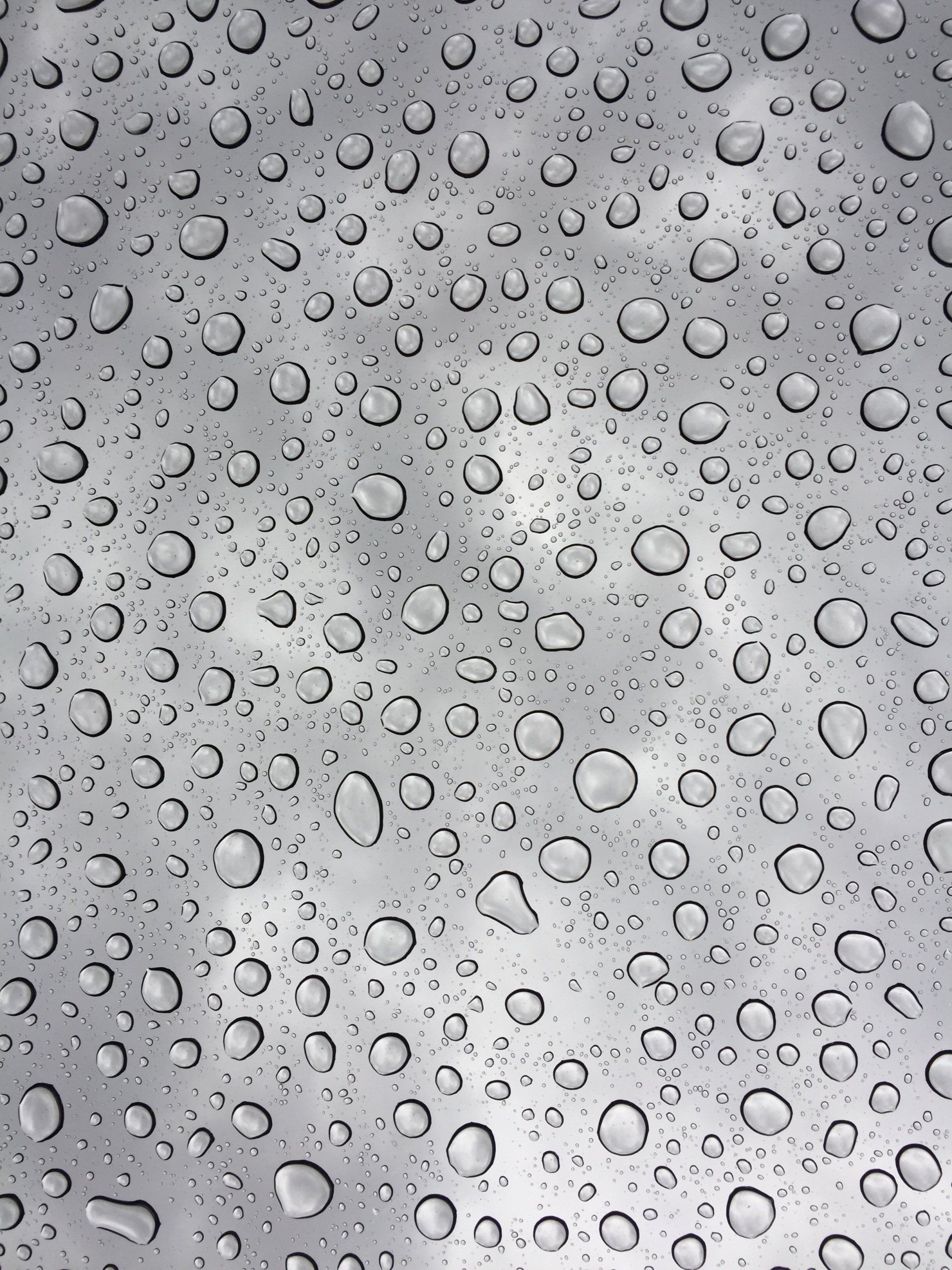
A healthy ceramic coating should still show strong water beading and sheeting when water hits the surface. If you're noticing water spreading flat across the paint instead of beading up, or if the surface feels rougher than it used to, that's often a sign the coating's performance is degrading — sometimes from washing methods, sometimes simply from time and mileage.
Regular inspection during washing is the easiest way to catch this early, before contamination has a chance to bond more permanently to the surface.
Our Recommendation for Coated Vehicles
For most customers with a professional ceramic coating, here's the simplest approach:
- Hand wash regularly using pH-neutral products and quality microfiber materials
- Use a touchless automatic wash for convenience when hand washing isn't an option
- Avoid brush washes entirely
- Use caution with soft-cloth washes, and choose well-maintained locations
- Schedule periodic professional maintenance to keep the coating performing at its best
A ceramic coating is an investment, and how you wash your vehicle directly affects how long that investment continues to pay off.
Keep Your Ceramic Coating Performing Like New
Detail 360 offers professional ceramic coating installation and maintenance washing for vehicles throughout St. Peters, O'Fallon, St. Charles, Lake Saint Louis, and the surrounding Missouri communities.
Contact our team today to schedule a coating inspection or maintenance wash and keep your paint protected for years to come.
Frequently Asked Questions
Will an automatic car wash remove ceramic coating completely?
A single automatic wash typically won't strip a coating entirely, but repeated exposure to brush washes or harsh chemicals over time can gradually degrade its protective properties.
Is touchless really safer than soft-cloth automatic washing?
Generally, yes. Touchless washes don't make physical contact with the paint, removing the biggest risk factor for swirl marks that soft-cloth washes carry from dirty equipment.
How often should I hand wash a ceramic coated car?
Most coated vehicles benefit from hand washing every one to two weeks, depending on driving conditions and how much dirt and grime the vehicle is exposed to.
Can I use regular dish soap to wash a ceramic coated car?
No. Dish soap is typically high-alkaline and can strip the hydrophobic properties of a ceramic coating over time. Use a pH-neutral car wash soap specifically designed for coated vehicles.
Does ceramic coating make automatic washes completely safe?
No. Ceramic coating reduces the risk of contamination bonding to the paint, but it doesn't eliminate the risk of physical scratching from brushes, dirty cloth strips, or improper drying.
How do I know if my local car wash is touchless or brush-based?
Most car washes advertise this directly, but if you're unsure, look for visible rotating brushes or cloth strips at the entrance, or simply ask staff before driving through.
Should I wax over a ceramic coating after an automatic wash?
No. Waxing over a ceramic coating isn't necessary and can interfere with the coating's performance. If your coating needs a boost, ask about a dedicated ceramic spray or maintenance product instead.
Book your detailing service today and keep your ceramic coating performing at its best.
Not Sure Which Service Is Right for Your Vehicle?
Tell us what you drive and how you use it — we'll recommend the right service, honestly, whether that's a quick detail or full protection package.
Book your detailing service today and keep your vehicle looking its best year-round.
share this
Related Articles
Related Articles