

Article
Motorcycle Detailing in Missouri — Ceramic Coating, Waxing & Interior Care
Motorcycles take a different kind of beating than cars do. There's no roof, no doors, and no climate-controlled cabin protecting the paint, chrome, and leather from the elements. Every ride exposes your bike directly to sun, rain, road grime, and whatever the Missouri weather decides to throw at it that day. If you want your motorcycle looking as good five seasons from now as it does the day you bought it, detailing isn't optional — it's maintenance.
Here's what actually goes into proper
motorcycle detailing, why ceramic coating matters more for bikes than most riders realize, and how to keep every surface — paint, chrome, and seat — in top condition through Missouri's full range of weather.
Why Motorcycles Need Different Care Than Cars
A car's paint, glass, and trim are largely protected by the body of the vehicle itself. A motorcycle has almost nothing shielding it. Tank paint, fender chrome, exhaust pipes, and leather seats are all fully exposed, all the time — whether the bike is being ridden or sitting in a garage.
That exposure creates a few problems specific to motorcycles:
- Chrome and metal components are prone to corrosion and pitting without regular protection
- Tank and fender paint takes direct sun exposure with no roof or panel shading it
- Leather seats dry out and crack faster without conditioning, since there's no cabin insulating them from heat
- Engine and exhaust areas accumulate road grime and oil residue that's harder to reach than a flat car panel
Because of this, motorcycle detailing isn't just a smaller version of car detailing — it requires different products, different techniques, and more attention to metal and leather care specifically.
What's Involved in a Full Motorcycle Detail
A proper motorcycle detail covers the entire bike, not just a quick wash. At Detail 360, a full detail typically includes:
- Hand washing using pH-balanced products safe for paint, chrome, and decals
- Degreasing of the engine and exhaust area to remove built-up road grime and oil residue
- Chrome polishing to restore shine and remove light surface corrosion before it becomes pitting
- Paint decontamination to lift embedded contaminants that a standard wash won't remove
- Wheel and spoke cleaning, which collects brake dust just like a car wheel does
- Leather seat cleaning and conditioning to prevent drying, cracking, and fading
- Tire dressing for a clean, finished look
Every component on a motorcycle is more exposed and more visible than on a car, which means small imperfections — a dull patch of chrome, a faded seat, a streaky tank — stand out far more.
Ceramic Coating for Motorcycles — Why It Matters
Ceramic coating gets talked about constantly for cars, but it's arguably even more valuable for motorcycles. Because a bike has zero protection from the elements, a ceramic coating becomes the only real barrier between your paint and chrome and everything Missouri weather throws at it.
Ceramic coating on a motorcycle helps with:
Sun and UV protection
Tank and fender paint takes direct sunlight every single ride. Ceramic coating helps slow fading and oxidation that would otherwise show up faster on a motorcycle than it would on a car.
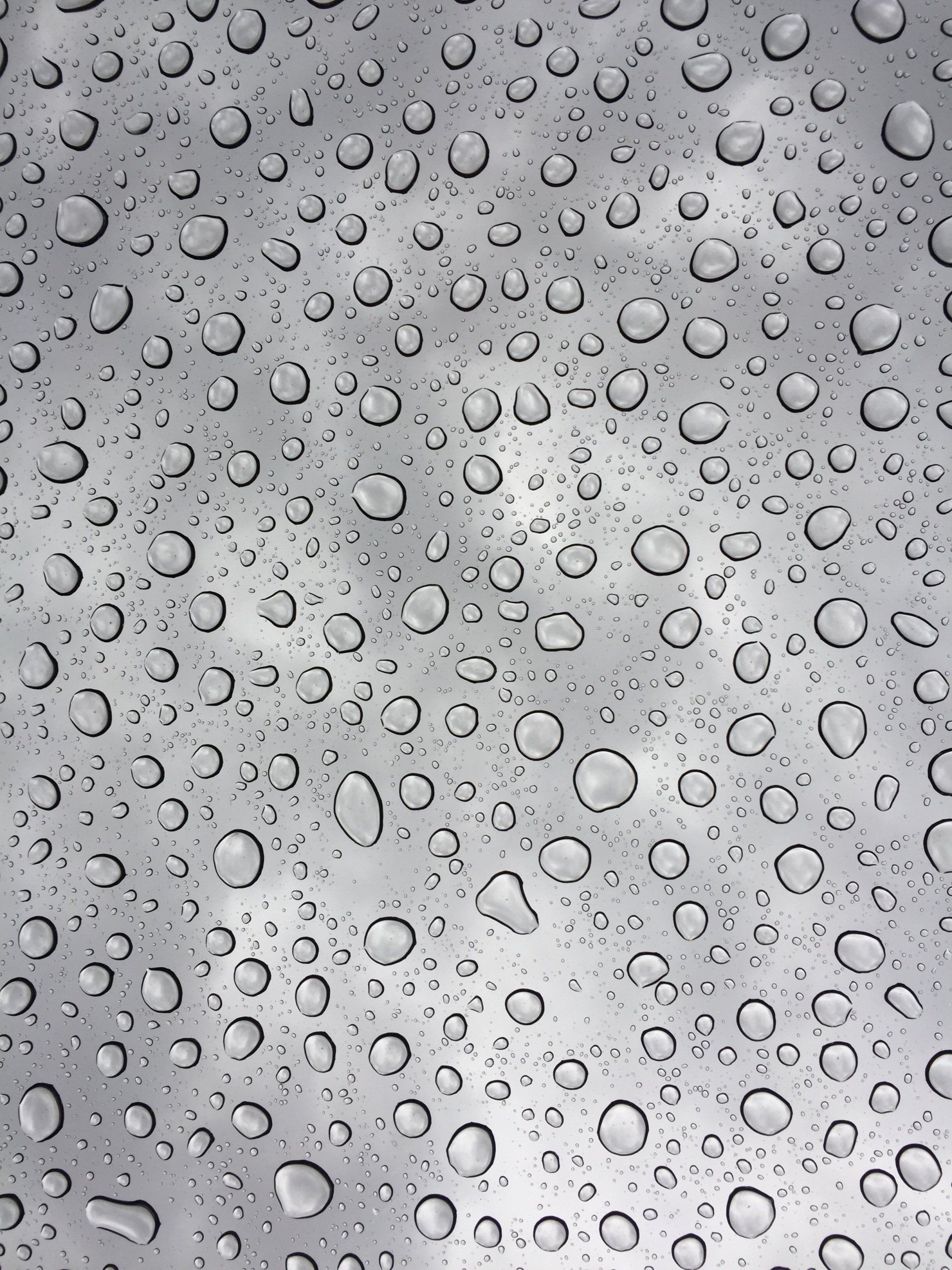
Water beading and easier washing
Coated surfaces shed water and road grime more easily, which matters on a motorcycle since washing around chrome, spokes, and exhaust pipes is more time-consuming than washing a flat car panel.
Chrome protection
Coating chrome surfaces helps create a barrier against moisture and road salt, reducing the rate of pitting and corrosion over time.
Easier bug and tar removal
Riders who put real miles on their bikes deal with constant bug splatter on the tank and front fender. A coated surface releases these contaminants far more easily than bare paint.
Longer-lasting shine between details
A quality ceramic coating reduces how often a full detail is needed to keep the bike looking its best.
For riders who put their motorcycle through Missouri's full four seasons — spring rain, summer heat, fall road debris, and any time spent in winter storage — ceramic coating is one of the most effective ways to slow down wear that would otherwise show up within a year or two.
Waxing vs. Ceramic Coating — Which Is Right for Your Bike
Traditional wax still has a place in motorcycle care, but it's worth understanding how it compares to ceramic coating.
Wax provides a temporary layer of shine and modest protection, typically lasting weeks rather than months. It's a reasonable option for riders who detail frequently and don't mind reapplying protection regularly.
Ceramic coating creates a much more durable, long-term bond with the paint and chrome, typically lasting years rather than weeks, and offers significantly stronger resistance to UV, water, and contamination.
For most riders putting regular miles on their bike through a Missouri riding season, ceramic coating delivers far more practical protection for the investment. Wax still has its place for riders who want a quick touch-up between full details, but it isn't a substitute for the level of protection ceramic coating provides.
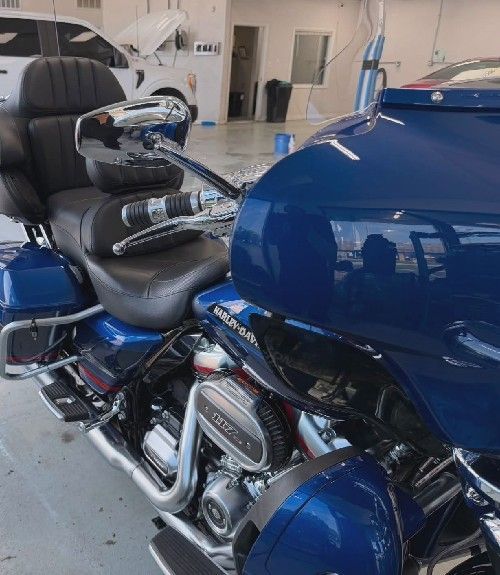
Don't Forget the Seat — Leather and Vinyl Care Matters Too
Motorcycle seats take constant sun exposure with no roof or shade protecting them, which makes them one of the fastest components to show wear. Leather seats left untreated will dry out, crack, and fade noticeably faster than leather inside a car.
Proper seat care includes:
- Deep cleaning to remove built-up oils, sweat, and grime from regular riding
- Conditioning treatments that replace lost moisture and keep leather flexible
- UV protection products that slow fading from direct sun exposure
- Stitching inspection to catch early wear before it becomes a bigger repair
A seat that's properly conditioned not only looks better, it stays more comfortable, since dried-out leather tends to harden and crack in ways that affect ride comfort over time.
How Missouri Weather Affects Motorcycle Care
Missouri's seasonal swings create specific challenges for motorcycle owners that don't apply the same way to cars.
Spring — Pollen and rain are constant. Pollen settles into every crevice of a bike's bodywork, and spring storms leave water spots on chrome and paint if not addressed quickly.
Summer — Direct sun exposure is at its peak, and bug splatter on the tank and front fender becomes a near-daily issue for riders putting on highway miles.
Fall — Road debris increases as leaves and organic material build up on roads, and cooler mornings mean condensation sitting on the bike overnight.
Winter storage — Bikes sitting in storage for months still need attention. Trapped moisture, dust accumulation, and seals drying out are common issues riders don't think about until spring, when the bike comes out looking worse than when it went in.
A seasonal detailing routine — rather than a single detail at the start of riding season — helps catch and address these issues before they compound.
How Often Should You Detail Your Motorcycle?
For most riders putting regular miles on their bike throughout the Missouri riding season, a full detail two to three times per year is a reasonable baseline:
- Once at the start of riding season, after winter storage
- Once mid-season, particularly after a stretch of heavy highway riding or bug season
- Once before winter storage, to ensure the bike goes into storage clean and protected
Riders who put on significantly more miles, or who store their bike outdoors rather than in a garage, often benefit from more frequent attention — particularly chrome and leather care, which show wear faster under heavier exposure.
Get Your Motorcycle Detailed at Detail 360
Detail 360 provides full motorcycle detailing, ceramic coating, and leather conditioning services for riders throughout St. Peters, O'Fallon, St. Charles, Lake Saint Louis, and the surrounding Missouri communities.
Contact our team today
to schedule your motorcycle detailing appointment and keep your bike looking as good as it rides.
Frequently Asked Questions
How long does a full motorcycle detail take?
Most motorcycle details take between 2 and 4 hours depending on the size of the bike, current condition, and whether ceramic coating or leather conditioning is included.
Is ceramic coating worth it for a motorcycle?
Yes, especially for riders who put on regular miles or store their bike outdoors. Since motorcycles have no body panels protecting paint and chrome, ceramic coating provides a meaningful layer of protection against sun, water, and road grime that bare paint doesn't have.
Can ceramic coating be applied to chrome parts?
Yes. Chrome surfaces can be coated to help reduce pitting and corrosion, particularly useful for exhaust pipes and other chrome components that take constant exposure.
How often should I wash my motorcycle?
Riders putting on regular weekly miles should wash their bike every one to two weeks during riding season, with more frequent attention during bug season or after extended highway rides.
Does detailing help before winter storage?
Yes. Detailing before storage removes contaminants and road grime that can sit on the bike for months, and conditioning leather and chrome before storage helps prevent damage from trapped moisture.
What's the difference between a quick wash and a full detail?
A quick wash removes surface dirt, while a full detail includes decontamination, chrome polishing, leather conditioning, and protective coating application — addressing the bike's overall condition rather than just visible dirt.
Can you detail vintage or classic motorcycles?
Yes. Older bikes often require gentler products and techniques to protect original paint and aged chrome, and our team adjusts the detailing process based on the bike's age and condition.
Book your motorcycle detailing service today and keep your ride looking as good as it performs.
Not Sure Which Service Is Right for Your Vehicle?
Tell us what you drive and how you use it — we'll recommend the right service, honestly, whether that's a quick detail or full protection package.
Book your detailing service today and keep your vehicle looking its best year-round.
share this
Related Articles
Related Articles