


Article
Mountain Bike Ceramic Coating: Ultimate Protection for Every Ride
Mountain biking exposes your bike to mud, dust, grit, water, and other trail contaminants. After a long ride, cleaning the frame and removing stubborn dirt can take time—especially if you ride frequently or want to keep your bike looking its best.
Mountain bike ceramic coating is one option for making routine cleaning easier and helping maintain the appearance of compatible frame surfaces. However, it is important to understand what a coating can do, what it cannot do, and whether it makes sense for the way you ride.
At Detail 360, we offer ceramic coating services for more than just everyday vehicles. If you want to explore protective
ceramic coating options for your mountain bike, understanding the preparation, benefits, and maintenance requirements is a good place to start.
What Is Ceramic Coating for Mountain Bikes?
Ceramic coating is a liquid product that forms a thin protective layer over a compatible surface after application and curing. Depending on the product, it can improve water repellency, add gloss, and make certain contaminants easier to remove.
On a mountain bike, the coating may be suitable for compatible painted or finished frame surfaces. The appropriate application depends on the frame material, existing finish, manufacturer's guidance, and the specific coating being used.
Ceramic coating is not the same as a thick protective film. It does not create an impact-resistant shell around the frame, and it should not be treated as a substitute for mechanical protection or routine bike maintenance.
Why Your Mountain Bike Needs Ceramic Coating
1. Easier removal of dirt and mud
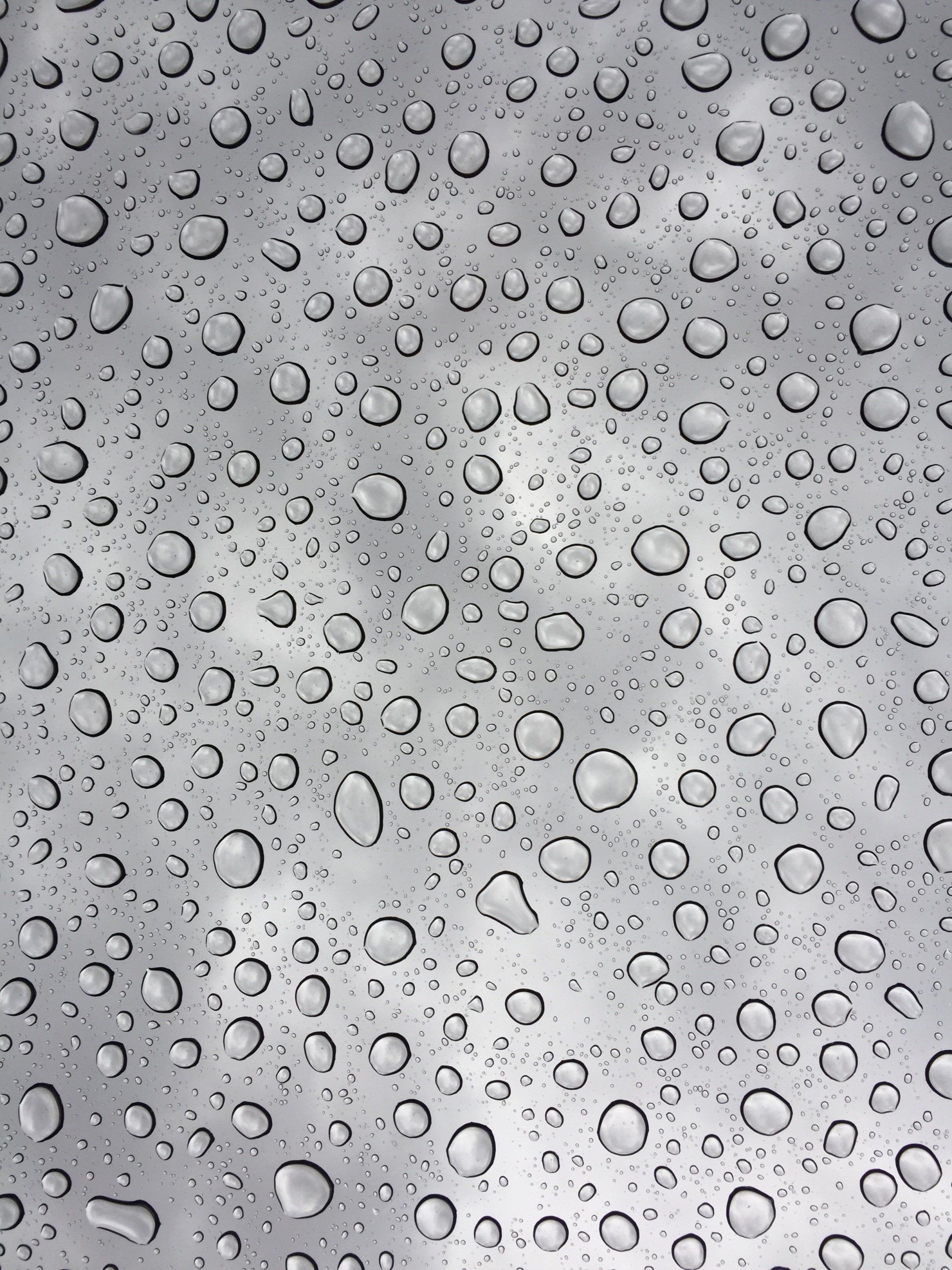
Trail riding can leave dried mud, dust, and grime across your bike's frame. A suitable ceramic coating can make compatible surfaces more water-repellent and reduce how strongly some contaminants adhere.
That can make washing more convenient after a ride. Heavy mud and gritty buildup will still require appropriate cleaning, however, and a quick rinse will not always remove everything.
2. Less effort during routine cleaning
A coated frame may be easier to wash because dirt can release more readily from the treated surface. This can be useful for riders who frequently encounter wet trails, dusty conditions, or muddy terrain.
The benefit depends on the coating, how well it was applied, the contaminants involved, and how the bike is maintained. Ceramic coating does not eliminate the need for regular cleaning.
3. Improved appearance
A coating may enhance the gloss and visual depth of compatible painted surfaces. For riders who care about the appearance of a new bike or want to maintain a well-kept frame, this can be an appealing benefit.
The final appearance depends on the existing finish and the coating product. A coating will not automatically remove scratches, restore faded paint, or correct existing surface defects.
4. A protective layer against certain contaminants
Depending on the product and surface, ceramic coating can help make treated areas more resistant to some environmental contaminants and easier to clean.
It is important to set realistic expectations. Ceramic coating does not make a mountain bike scratch-proof, chip-proof, or immune to damage from rocks, branches, crashes, or trail debris. Physical impacts can still damage the frame and its finish.
Ceramic Coating vs. Traditional Bike Wax
Ceramic coating and wax can both be used as surface-care options, but their performance depends on the products being compared.
| Consideration | Ceramic coating | Bike wax |
|---|---|---|
| Water repellency | Can provide hydrophobic properties | Depends on the wax formulation |
| Cleaning | May make treated surfaces easier to clean | May help dirt release from treated surfaces |
| Durability | Varies by product, preparation, and maintenance | Varies by product and riding conditions |
| Appearance | May enhance gloss on compatible finishes | Can add shine depending on the product |
| Maintenance | Still requires appropriate cleaning and care | Usually requires reapplication according to product directions |
There is no universal lifespan or performance advantage that applies to every coating and wax. Check the specific product's instructions and intended use before choosing one for your bike.
Is Ceramic Coating Worth It for Your Mountain Bike?
Ceramic coating may be worth considering if you:
- Ride regularly and want to make routine frame cleaning easier.
- Spend time on muddy or dusty trails.
- Want to maintain the appearance of a compatible painted frame.
- Prefer a surface treatment that can reduce the effort needed to remove certain contaminants.
- Are willing to follow appropriate cleaning and maintenance instructions.
It may be less important if your main concern is protecting the frame against rock strikes, crashes, or heavy abrasion. In those situations, suitable frame-protection film or other manufacturer-approved protective equipment may be more relevant.
Your riding style, frame material, finish, budget, and expectations should all factor into the decision. A coating is a surface-care option, not a replacement for protective equipment or sound bike maintenance.
What to Know Before Applying Ceramic Coating
Preparation matters because dirt, grease, residue, and other contamination can interfere with coating application. Before treating a mountain bike, the frame should be cleaned appropriately and inspected for existing damage or finish concerns.
A professional application should take the following into account:
- Frame material and finish: Carbon fiber, aluminum, painted frames, and other finishes may have different care requirements. Confirm that the selected product is suitable for the specific surface.
- Cleaning and preparation: Remove trail dirt and other contamination using appropriate methods before applying a coating.
- Product compatibility: Follow the coating manufacturer's instructions for suitable surfaces, application, and curing.
- Sensitive components: Brakes, brake rotors, braking surfaces, tires, grips, suspension components, and moving parts must be kept free of inappropriate products. Do not apply coating where it could affect braking or mechanical function.
- Curing and use: Follow the product's specified curing time and care instructions before washing or riding the bike.
The goal is to protect suitable surfaces without compromising the bicycle's operation or safety.
How to Maintain a Ceramic-Coated Mountain Bike
Even with ceramic coating, cleaning after a ride remains important. Mud, grit, and trail residue should not be left to accumulate indefinitely.
- Remove heavy mud carefully. Use an appropriate amount of water and a gentle cleaning method to loosen dirt without grinding grit into the finish.
- Use bike-compatible cleaning products. Follow the bicycle and coating manufacturers' recommendations. Avoid harsh chemicals or degreasers on coated areas unless the product instructions confirm compatibility.
- Keep brakes and drivetrain components clean. Avoid getting coating products, wax, oils, or unsuitable cleaners on brake rotors, braking surfaces, or other sensitive components.
- Dry the bike appropriately. Use a clean, soft cloth on suitable surfaces and follow the manufacturer's recommendations for components that should not remain wet.
- Inspect the frame regularly. Check for chips, cracks, loose components, and other damage. A coating does not replace mechanical inspections or routine servicing.
- Follow the coating's care instructions. Cleaning requirements and product durability vary, so avoid assuming that every coating needs the same maintenance schedule.
If you notice a change in water beading, remember that it does not automatically mean the coating has completely failed. Dirt, residue, and wear can affect how a coated surface behaves.
Mountain Bike Ceramic Coating at Detail 360
At Detail 360, we understand that keeping a vehicle or recreational ride looking its best starts with choosing the right care for its surfaces and condition.
If you're considering ceramic coating for your mountain bike, tell us about the bike, its frame finish, and how you use it. This helps us discuss the available service options and whether the intended surface is suitable for the product.
Explore our mountain bike services and learn more about our ceramic coating services.
Ready to discuss your bike?
Contact Detail 360 with your questions and service needs.
Frequently Asked Questions
Does ceramic coating protect a mountain bike from scratches?
Ceramic coating is not scratch-proof and does not prevent all chips, abrasions, or impact damage. It primarily provides surface properties such as water repellency and easier cleaning on compatible finishes. Frame-protection film may be more appropriate for areas exposed to repeated impacts.
Can I apply ceramic coating to a carbon-fiber mountain bike?
It depends on the frame's finish and the coating product. Confirm compatibility with the bicycle manufacturer and coating instructions before applying any product. Carbon-fiber construction alone does not establish whether a particular coating is suitable.
Will ceramic coating make my mountain bike self-cleaning?
No. A coating may help water and some contaminants release more easily from treated surfaces, but heavy mud, grit, grease, and trail residue still require appropriate cleaning.
How long does mountain bike ceramic coating last?
There is no single lifespan for every mountain bike coating. Durability depends on the specific product, surface preparation, application, riding conditions, cleaning products, and maintenance. Use the manufacturer's durability information for the coating being considered rather than relying on a universal time estimate.
Is professional ceramic coating worth it for a mountain bike?
It may be worthwhile if you want easier routine cleaning and improved appearance on compatible surfaces. The value depends on how often you ride, the condition of the frame, your maintenance habits, and the cost of the service. It is not a substitute for impact protection or mechanical maintenance.
How should I clean my mountain bike after a muddy ride?
Remove heavy mud carefully, use bicycle-compatible cleaning products, and avoid forcing water or contaminants into sensitive components. Keep the brakes and drivetrain free of inappropriate products and follow your bicycle manufacturer's maintenance guidance.
Book your detailing service today and keep your vehicle looking its best year-round.
share this
Related Articles
Related Articles