

Article
Missouri Window Tint Laws Explained (2026 Guide)
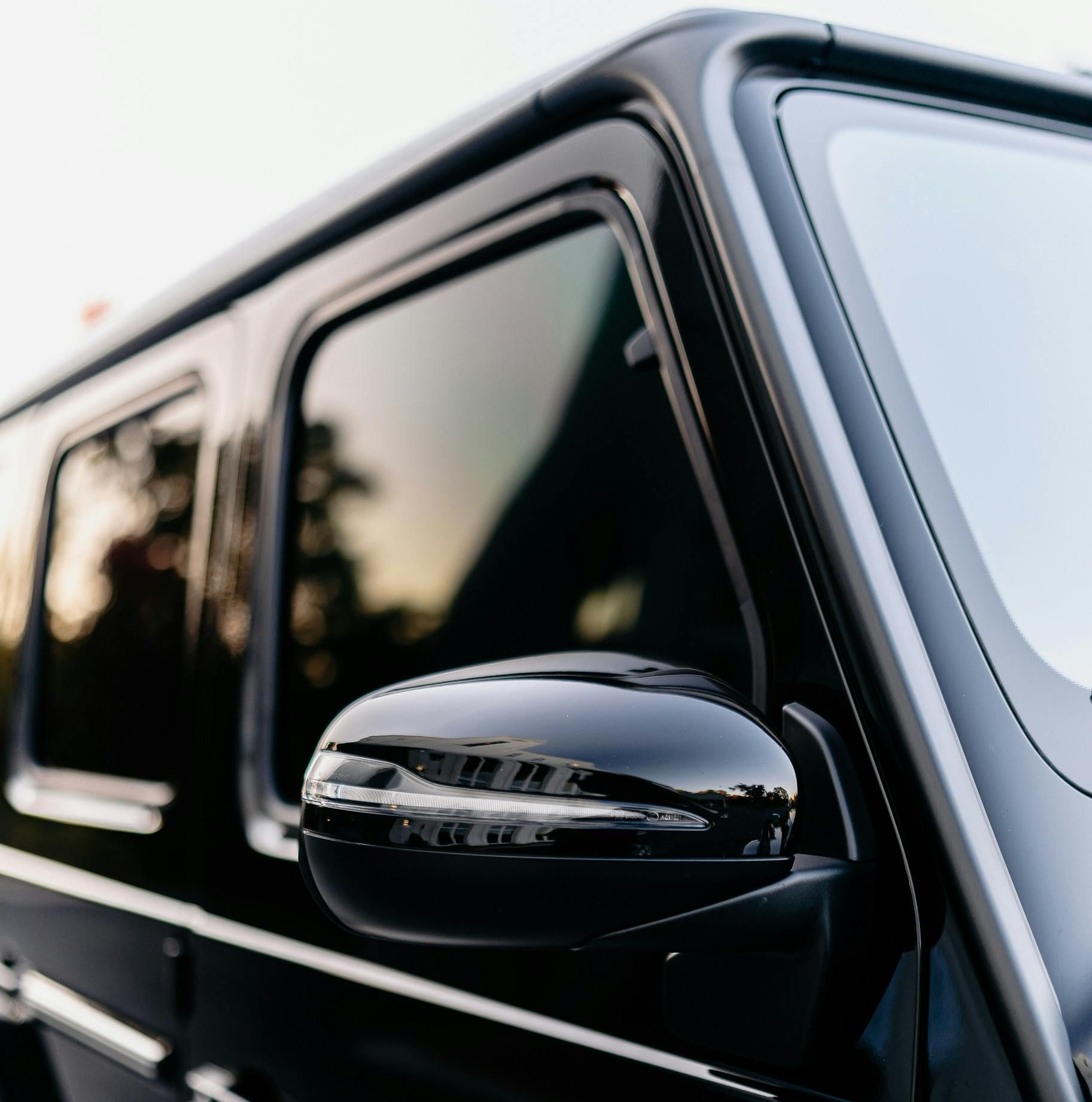
If you're considering window tinting for your vehicle in Missouri, understanding the state's tint laws is essential. Missouri regulates how dark and reflective automotive window tint can be, and violating these rules can lead to citations, fines, and the need to remove non-compliant tint. This guide explains the current Missouri window tint regulations and offers practical advice for choosing a legal tint setup.
Why Window Tint Laws Matter
Window tint offers several benefits, including heat reduction, UV protection, glare reduction, and increased privacy. However, tint that is too dark can reduce visibility and create safety concerns. Missouri's laws are designed to balance driver comfort and privacy with road safety and visibility requirements.
Missouri Window Tint Laws (2026)
For most passenger vehicles, Missouri's tint rules focus on Visible Light Transmission (VLT), which is the percentage of light allowed to pass through the glass and tint film combined.
Windshield
Non-reflective tint is permitted only above the AS-1 line (the manufacturer-marked line near the top of the windshield).
Front side windows
Must allow more than 35% of light to pass through (35% VLT or lighter).
Back side windows
Any darkness is permitted for passenger vehicles.
Rear windshield
Any darkness is permitted if the vehicle has side mirrors on both sides.
Laws can change, so it's always a good idea to verify current regulations with the Missouri Department of Public Safety or a qualified local installer before having tint applied.
Reflective Tint Restrictions
Missouri also restricts highly reflective or mirrored tint films. Excessively reflective tint can create glare for other drivers and may not comply with state regulations. A professional installer can help you choose a film that meets both performance goals and legal requirements.
Medical Exemptions
Missouri may allow medical exemptions for individuals with certain health conditions that require additional protection from sunlight. Drivers seeking an exemption should consult the appropriate state authorities and healthcare professionals for the required documentation and approval process.
Penalties for Illegal Tint
If your vehicle's tint does not comply with Missouri law, you may be subject to traffic stops, fines, and orders to remove or replace the non-compliant film. Choosing a legal tint percentage from the start is usually the most cost-effective approach.
Benefits of Legal Window Tint
- Heat reduction
Quality tint can help keep your vehicle cooler during Missouri's hot summers.
- UV protection
Window film can block a significant portion of harmful ultraviolet rays.
- Reduced glare
Tint can improve driving comfort by minimizing glare from sunlight and headlights.
- Added privacy
Within legal limits, tint can help increase privacy for passengers and belongings.
- Interior protection
Tint helps reduce sun exposure that can contribute to fading and deterioration of interior surfaces.
Choosing the Right Tint Percentage
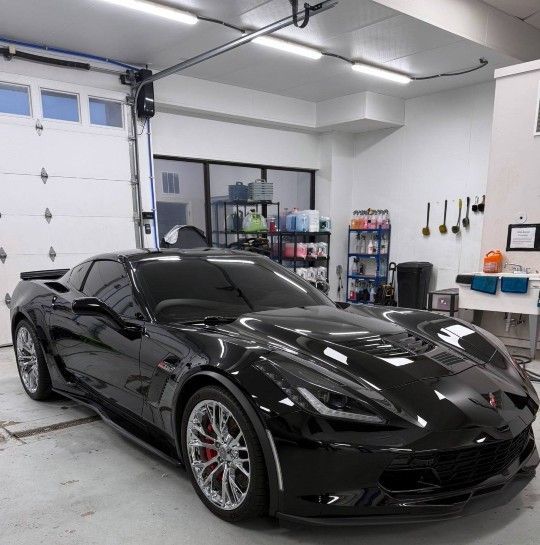
Many Missouri drivers choose 35% tint for the front side windows because it provides a balance of privacy, appearance, and legal compliance. For rear windows, darker tint options are available, but it's still important to ensure overall visibility and safety.
A reputable installer can measure the combined VLT of your factory glass and the tint film to ensure the final result meets Missouri's requirements.
Frequently Asked Questions
What is the darkest legal tint for front windows in Missouri?
Front side windows must allow more than 35% of light to pass through, so 35% VLT is generally considered the legal limit for most passenger vehicles.
Can you tint your windshield in Missouri?
Yes, but only a non-reflective tint strip is allowed above the AS-1 line near the top of the windshield.
Is 20% tint legal in Missouri?
For front side windows, 20% tint is generally not legal because it allows less than the required 35% light transmission. Rear windows may be darker depending on the vehicle and mirror requirements.
Can police stop you for illegal window tint?
Yes. Law enforcement officers may stop vehicles that appear to have non-compliant tint and can issue citations if the tint violates Missouri regulations.
Does ceramic tint have different legal limits?
No. Ceramic tint must comply with the same Missouri tint laws as other window film types. The legal requirement is based on light transmission and reflectivity, not the film's material.
Final Thoughts
Window tint can improve comfort, appearance, and UV protection, but it should be installed within Missouri's legal limits. Before scheduling an installation, confirm the current regulations and work with a professional installer who can help you choose a compliant tint package that meets your needs.
Protect Your Vehicle With Professional Ceramic Coating
Whether you want easier maintenance, better gloss, or long-term paint protection, ceramic coating helps keep your vehicle looking cleaner and better protected throughout Missouri’s changing weather conditions.
Book your detailing service today and keep your vehicle looking its best year-round.
share this
Related Articles
Related Articles