
Article
How Do I Know If My Car Needs Paint Correction?
Your car gets washed regularly. Maybe you even wax it once in a while. But lately something looks off — the paint doesn't have that deep, clean shine it used to, or you keep noticing marks and haziness that won't go away no matter how many times you wash it.
That's your car telling you it needs paint correction.
Paint correction is one of the most misunderstood services in auto detailing. A lot of drivers assume their paint just looks that way now, or that the only fix is a new paint job. Neither is true in most cases. This guide will walk you through exactly what paint correction is, the signs your vehicle needs it, and what to expect when you bring your car to a professional detailer.
What Is Paint Correction?
Paint correction is the process of removing surface imperfections from your vehicle's clear coat using machine polishers and progressively finer polishing compounds. The clear coat is the transparent protective layer on top of your actual paint color — and it's where swirl marks, light scratches, oxidation, and water spot etching all live.
When a detailer performs paint correction, they're carefully removing a microscopic layer of that clear coat to level the surface — eliminating the imperfections and restoring true gloss and depth to your paint.
It is not a cover-up. It is not a filler or a glaze that hides problems temporarily. It physically removes the damage.
The 6 Signs Your Car Needs Paint Correction
1. Swirl Marks That Are Visible in Direct Sunlight
This is the most common reason Missouri drivers come to us asking about paint correction. Swirl marks are fine circular scratches in the clear coat that become extremely obvious in direct sunlight or under artificial lighting. They give your paint a web-like or spider-web appearance and make the surface look dull even right after a wash.
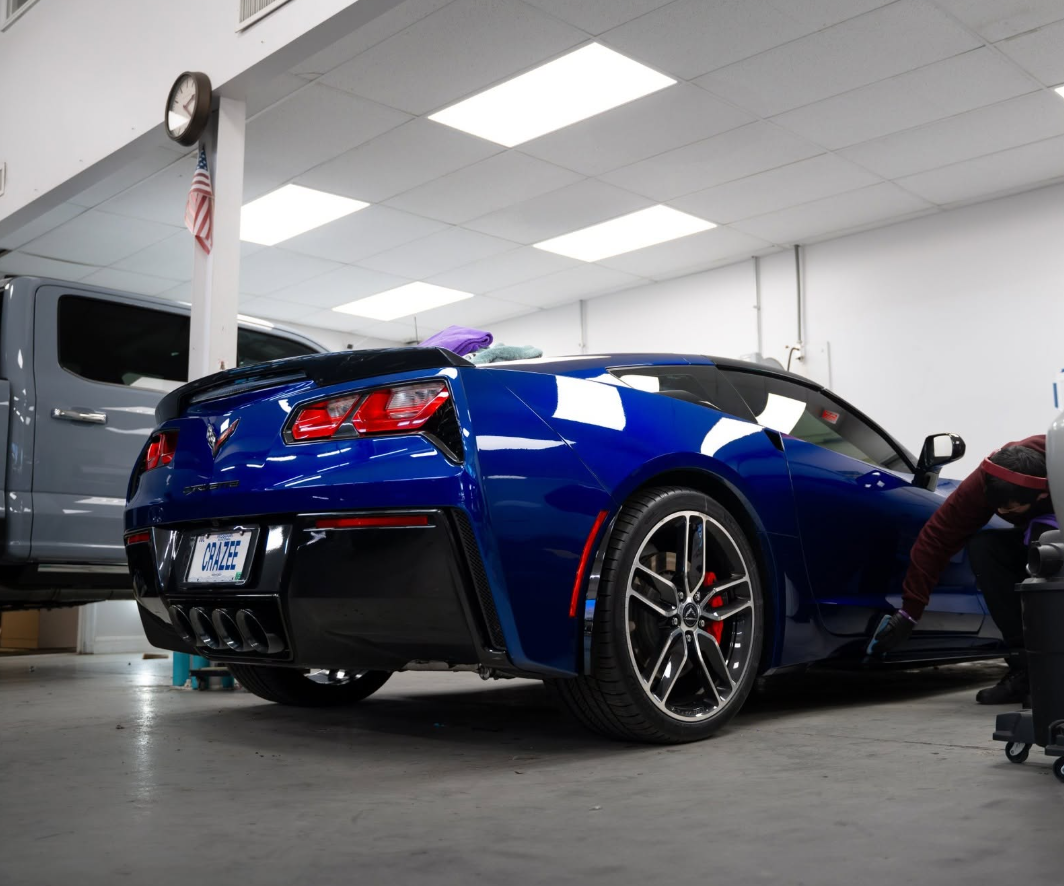
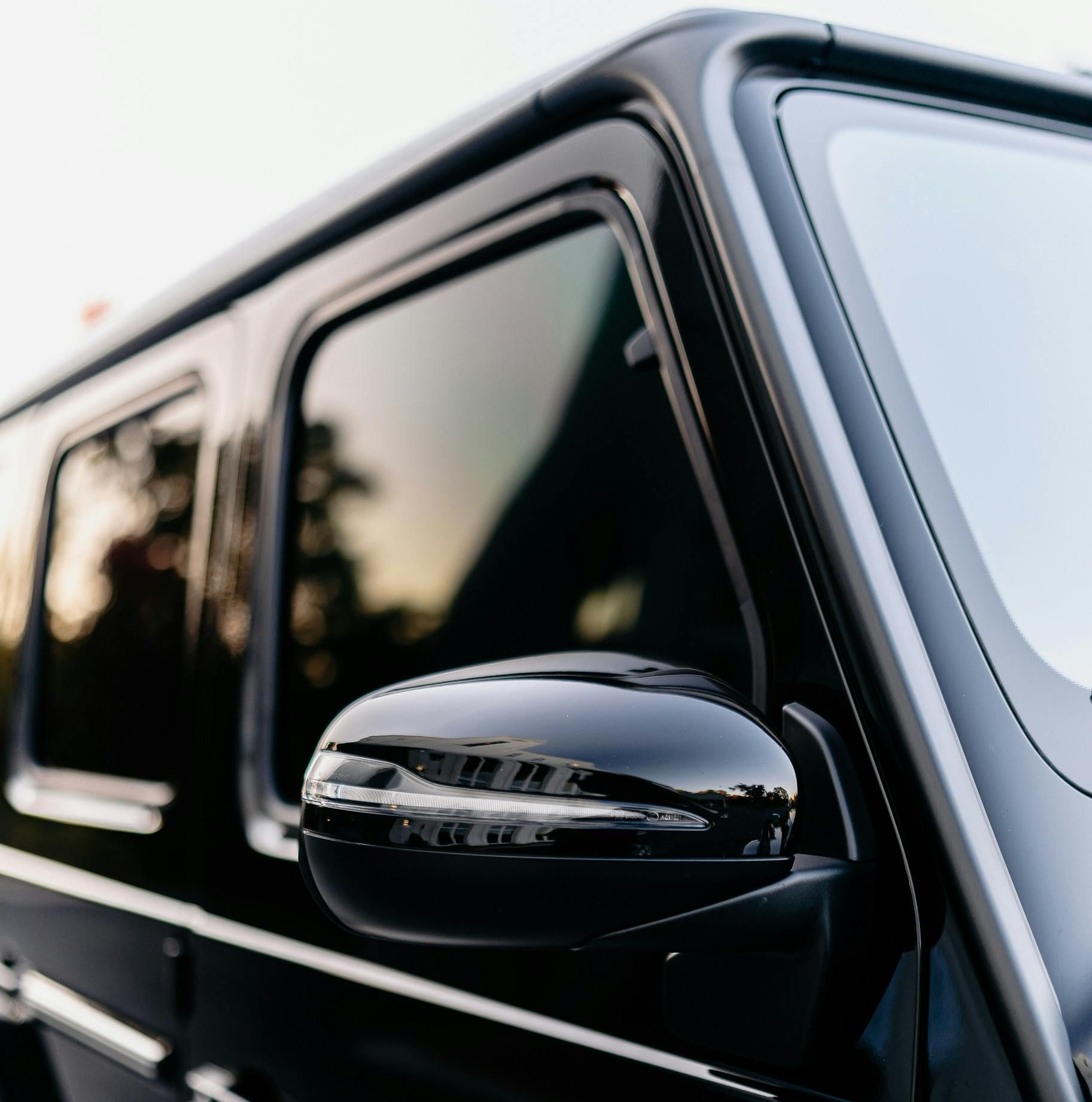
Swirl marks are almost always caused by improper washing — automatic car washes with abrasive brushes, wiping a dusty car with a dry cloth, using low-quality wash mitts, or drying with a rough towel. Dark-colored vehicles — especially black, dark blue, and dark gray — show swirl marks most aggressively.
If you walk around your car in bright sunlight and see a swirling haze in the paint rather than a clean, deep reflection, paint correction will address it.
2. Light Scratches That Haven't Gone Through to the Metal
Not every scratch requires a body shop. Scratches that sit within the clear coat layer — meaning they haven't gone through the paint color down to primer or bare metal — can often be removed or significantly reduced through paint correction.
A simple test: run your fingernail across the scratch lightly. If your nail doesn't catch in the scratch (it glides over it), the scratch is likely within the clear coat and is a good candidate for correction. If your nail catches or drops into the scratch, it's deeper and may require touch-up paint or a body shop visit before detailing can help.
3. Dull, Hazy Paint That Lacks Depth
Your car's paint should have depth and clarity — almost like you're looking into it rather than at it. If your vehicle's finish looks flat, hazy, or milky even after washing and drying, you're likely dealing with one of two things: oxidation or heavy marring.
Oxidation happens when UV rays break down the clear coat over time. It's especially common on vehicles that are parked outside in Missouri without any paint protection. Early oxidation looks like a slight haziness or chalky appearance. Advanced oxidation can look chalky white or faded — more common on older vehicles or single-stage paint jobs.
Marring is a finer, more uniform version of scratching caused by abrasive wash processes over time. It gives paint a dull, lackluster appearance rather than individual visible scratches.
Both oxidation and marring respond well to paint correction.
4. Water Spot Etching
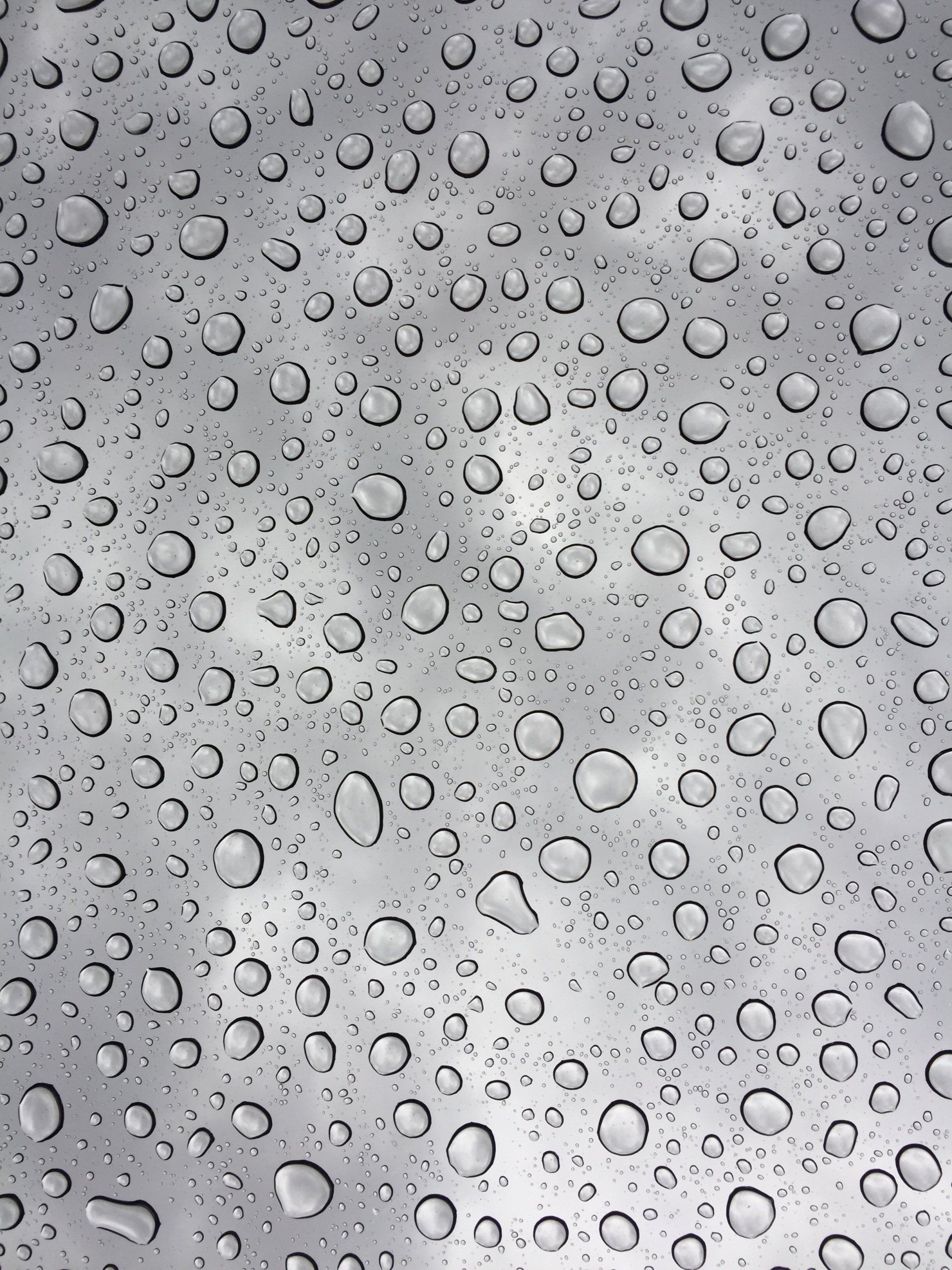
Missouri summers bring hard water, sprinkler systems, and mineral-heavy rain. When water sits on your paint and evaporates, it leaves behind mineral deposits. If those deposits are left on your paint long enough — especially in heat — they etch into the clear coat, leaving visible marks that don't come off with washing.
Light water spot etching can be removed with paint correction. Severe etching that has eaten through the clear coat may require wet sanding or, in extreme cases, clear coat respray.
If you notice circular, ring-shaped marks on your paint that won't wash off, water spot etching is the likely cause.
5. Buffer Trails or Holograms
If your vehicle has been machine polished before — by an inexperienced detailer or at a dealership prep bay — you may have what's called buffer trails or holograms in your paint. These are patterns left by a rotary polisher used incorrectly or with the wrong pad and compound combination.
Buffer trails look like faint swirling or linear marks that appear and disappear as you move around the vehicle. They're often most visible under fluorescent lighting. Professional paint correction using a dual-action or forced-rotation polisher with the correct products will remove them.
6. Your Paint Just Doesn't Look the Way It Used To
Sometimes the sign is simply that your paint looked great when the car was new, and now it doesn't — and you can't figure out why. No single obvious scratch or stain, just a general loss of gloss, vibrancy, and clarity.
This is normal. Paint degrades gradually through washing, sun exposure, environmental contamination, and general use. A single-stage or two-stage paint correction can bring back a level of gloss that surprises most customers — often making a vehicle look better than it did when they bought it.
Paint Correction Stages — What's the Difference?
Not every vehicle needs the same level of correction. Professional detailers typically offer:
Single-Stage Paint Correction
One polishing pass using a cutting compound followed by a finishing polish. Removes lighter defects — mild swirl marks, light marring, early oxidation. Ideal for vehicles in relatively good condition that need a refresh.
Two-Stage Paint Correction
A more aggressive first pass with a heavier cut compound to address deeper swirls, scratches, and oxidation, followed by a finishing stage to refine the surface and maximize gloss. The most common choice for daily drivers with moderate paint defects.
Multi-Stage / Full Paint Correction
Reserved for vehicles with severe paint defects, heavy oxidation, deep scratches, or buffer trails. Involves multiple compounding and polishing stages and sometimes wet sanding on specific panels. Most thorough correction available short of repainting.
The right stage for your vehicle is determined during a paint inspection — a good detailer will look at your paint under proper lighting, assess defect depth, and recommend the appropriate approach rather than automatically upselling to the most expensive option.
What Paint Correction Cannot Fix
It's important to be upfront about what paint correction can and can't do:
- Deep scratches through the color coat or primer — these require touch-up paint or a body shop before correction can help
- Rust — needs proper rust treatment before any paint work
- Clear coat failure (peeling, flaking) — correction cannot restore clear coat that has already separated; respray is required
- Rock chips — correction can improve the area around a chip but cannot fill the chip itself; rock chip repair is a separate service
- Dents and body damage — paint correction is a surface process only
A professional detailer will identify these conditions during inspection and tell you honestly what correction can and can't achieve on your specific vehicle.
Should You Get Paint Correction Before Ceramic Coating?
Yes — always. This is one of the most important things to understand about ceramic coating.
Ceramic coating bonds to whatever surface is underneath it and locks that surface in. If your paint has swirl marks, oxidation, or scratches before the coating goes on, those defects will be visible and permanently sealed under the coating.
Paint correction before ceramic coating ensures you're sealing a clean, defect-free surface — maximizing both the appearance and the longevity of the coating investment. At Detail 360, we always inspect and correct paint before applying any ceramic coating. It's not optional — it's part of doing the job right.
How to Check Your Paint at Home
Before booking, you can do a quick self-assessment:
- Wash your car thoroughly and dry it with a clean microfiber towel
- Go outside in direct sunlight or hold a work light close to the surface at a low angle
- Look at the reflection — a clean, corrected paint job shows a sharp, undistorted reflection; defective paint shows a hazy, swirling, or blurry reflection
- Run clean fingers across the paint — smooth glass-like feel means clean paint; rough or gritty texture means contamination that needs decontamination or correction
- Check for water spots by looking at areas that get sprinkler or hard water exposure
If any of the above reveal obvious defects, paint correction is likely worth it.
Paint Correction at Detail 360 — St. Peters, MO
Detail 360 serves drivers from St. Peters, Lake St. Louis, O'Fallon, Dardenne Prairie, St. Charles, Cottleville, Wentzville, and across the St. Louis metro area.
We perform single-stage, two-stage, and full paint correction using professional dual-action and forced-rotation polishers with carefully selected compound and polish combinations matched to your paint type and defect level. Every correction job starts with a proper paint inspection under lighting — no guessing, no upselling services your vehicle doesn't need.
If you're not sure whether your car needs correction, contact us. We'd rather spend five minutes answering your questions than have you drive away without the right information.
📞 Call:
(636) 328-5880
🌐 Book Online:
detail360stl.com/contact-us
📍
1050 S Cloverleaf Dr, St Peters, MO 63376
Hours: Mon–Fri 8am–6pm | Sat 8am–5pm
Protect Your Vehicle With Professional Ceramic Coating
Whether you want easier maintenance, better gloss, or long-term paint protection, ceramic coating helps keep your vehicle looking cleaner and better protected throughout Missouri’s changing weather conditions.
Book your detailing service today and keep your vehicle looking its best year-round.
share this
Related Articles
Related Articles