
Article
Can You Apply Ceramic Coating Over PPF?
Benefits & Tips
If your vehicle already has Paint Protection Film (PPF), you may be wondering whether ceramic coating is worth adding. Both are designed to help maintain your vehicle's appearance, but they work in different ways.
Yes, ceramic coating can be applied over many types of PPF, provided the film and coating are compatible and the manufacturer's instructions are followed. The coating can add water-repellent properties, make routine cleaning easier, and enhance the appearance of the film. However, it does not replace PPF's role in helping protect paint from road debris and physical damage.
At Detail 360, we help vehicle owners explore ceramic coating options based on their vehicle, its existing protection, and their maintenance goals. Here's what to know before deciding whether to combine these two products.
What Is Paint Protection Film (PPF)?
Paint Protection Film, also called PPF or clear bra, is a transparent protective film installed over selected painted surfaces. It is commonly made from thermoplastic polyurethane and is designed to help absorb the effects of minor impacts and reduce damage from road debris.
PPF is often installed on areas that receive frequent exposure to road hazards, including:
- Front bumpers
- Hoods and front fenders
- Side mirrors
- Door edges
- Rocker panels
Coverage depends on the vehicle and the package selected. Some owners protect only high-impact areas, while others choose more extensive coverage.
Many modern PPF products also offer self-healing properties, which can help certain light surface marks diminish when exposed to heat. The exact capabilities depend on the film product.
PPF is primarily intended to help protect against physical damage. It is not indestructible, and severe impacts can still damage the film or the paint beneath it.
What Is Ceramic Coating?
Ceramic coating is a liquid surface treatment that forms a protective layer on compatible materials after application and curing. Automotive coatings are commonly used to improve water repellency, enhance gloss on suitable finishes, and make routine cleaning easier.
When applied over compatible PPF, a ceramic coating treats the film's exposed surface rather than replacing the film itself.
Potential benefits include:
- Improved water beading and water repellency
- Easier removal of some dirt and contaminants
- Enhanced appearance, depending on the film and coating
- Added resistance to certain surface contaminants
- Less effort during routine washing
Results vary by product, preparation, application, and maintenance. Ceramic coating does not make a vehicle scratch-proof, prevent rock chips, or eliminate the need for washing.
Explore Detail 360's ceramic coating services to learn more about coating options for compatible vehicle surfaces.
Can You Apply Ceramic Coating Over PPF?
In many cases, yes. However, compatibility matters.
The PPF manufacturer may specify which coatings are suitable for its film, and the ceramic coating manufacturer may have its own surface-preparation and application requirements. These instructions should be checked before proceeding.
The condition of the film is also important. A coating is not a repair for peeling edges, lifting film, deep scratches, damaged areas, or installation defects. Those issues should be assessed before a coating is considered.
Before applying ceramic coating over PPF, consider these factors:
Film compatibility: Confirm that the coating is approved or suitable for the specific film and finish.
Film condition: The film should be properly installed and in suitable condition for treatment. Existing damage may require attention first.
Surface preparation: Dirt, residue, and contaminants must be removed using appropriate methods that will not damage the film.
Application and curing: Follow the product manufacturer's instructions for application, curing time, and when the vehicle can be washed or exposed to the elements.
A professional assessment can help determine whether coating the existing film is appropriate for your vehicle.
Benefits of Applying Ceramic Coating Over PPF
1. Easier routine cleaning
PPF helps protect the underlying paint, but the exposed film can still collect road grime, dust, bug residue, and other contaminants.
A compatible ceramic coating can make the surface more water-repellent and help certain contaminants release more easily during washing. This can reduce the effort needed to maintain the vehicle's appearance.
It does not mean dirt will never stick or that a simple rinse will remove every contaminant. Regular, careful washing remains important.
2. Improved water repellency
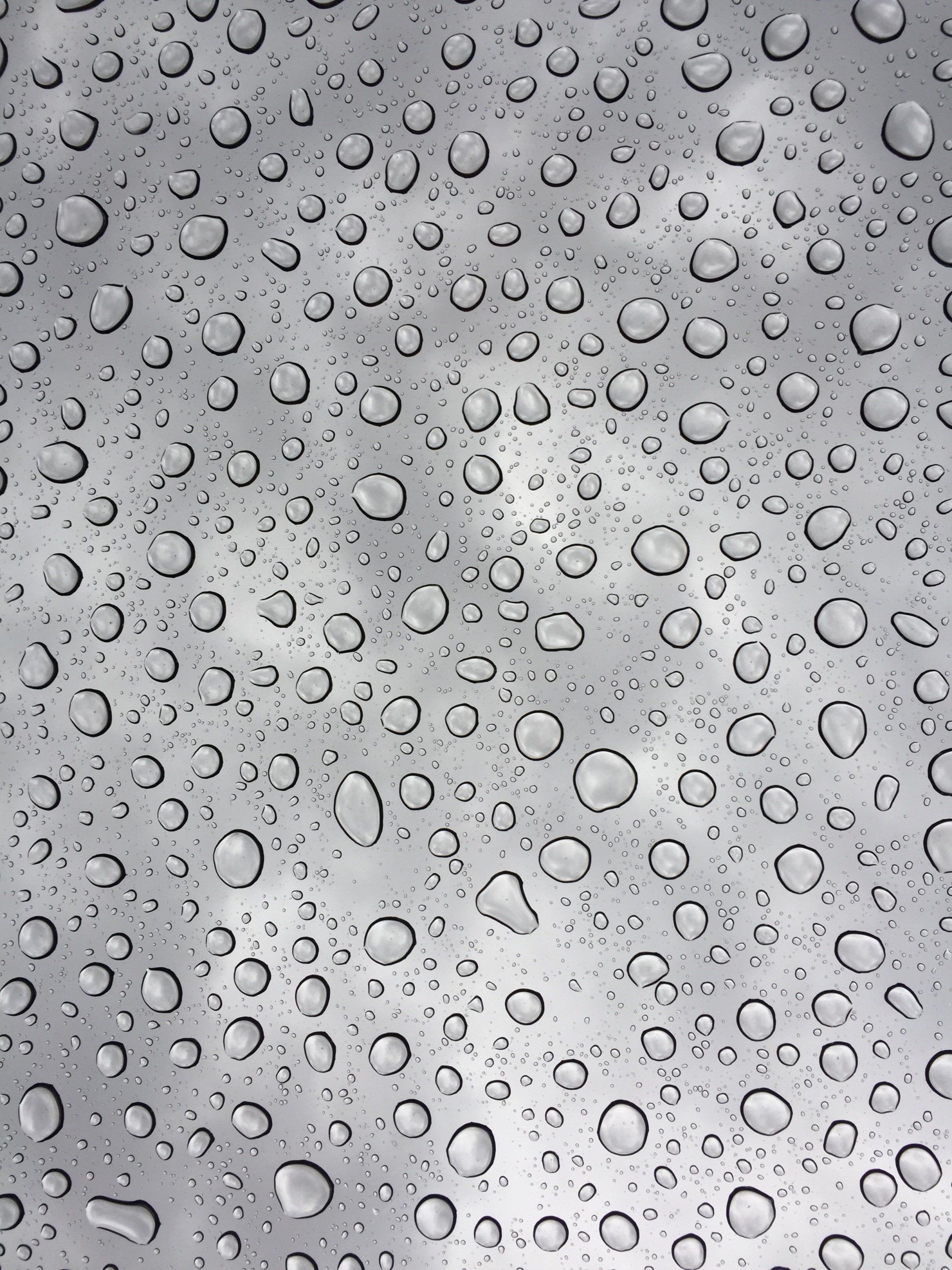
Ceramic coatings are commonly selected for their hydrophobic properties. Water tends to bead or move off the treated surface more readily, depending on the product and conditions.
This can make washing more convenient, although water beading alone does not prove that a coating is performing perfectly. Dirt, residue, and normal wear can change how water behaves on the surface.
3. Appearance enhancement
A compatible coating may enhance gloss and the visual appearance of glossy PPF. The result depends on the film's existing finish and the coating used.
Matte and satin PPF require particular care. A product that changes the sheen could alter the intended appearance, so a coating specifically suitable for that finish should be selected.
Ceramic coating will not remove defects already present in the film or restore damaged material.
4. Help managing surface contaminants
Bird droppings, bug residue, tree sap, and road grime can affect the appearance of a vehicle if left on the surface. A suitable coating may make some contaminants easier to remove before they cause persistent staining or other problems.
Prompt cleaning is still important. Ceramic coating does not make PPF immune to staining or chemical damage.
5. An additional surface-care option
PPF and ceramic coating serve different purposes, which is why some vehicle owners choose to use both.
PPF provides a physical film over selected surfaces to help reduce damage from road hazards. Ceramic coating adds surface properties that can help with cleaning and appearance.
The benefit of combining them depends on the vehicle's existing protection, the products used, and the owner's expectations.
What Ceramic Coating Over PPF Cannot Do
Understanding the limitations is just as important as understanding the benefits.
Ceramic coating over PPF does not:
- Prevent every rock chip or impact.
- Make the film scratch-proof or damage-proof.
- Repair torn, peeling, or lifting PPF.
- Guarantee that the film will last longer.
- Eliminate water spots, staining, or the need for maintenance.
- Replace the protection provided by the underlying film.
If your primary concern is rock chips and road debris, PPF is the physical protective layer. Ceramic coating is a complementary surface treatment, not a substitute for that film.
PPF vs. Ceramic Coating: Which Does Your Vehicle Need?
These products are often compared as if you must choose one, but they address different needs.
| Feature | Paint Protection Film (PPF) | Ceramic Coating |
|---|---|---|
| Helps protect against rock chips | Yes, within the film's capabilities | No |
| Physical impact protection | Provides a protective film | Not designed for impact protection |
| Water repellency | Depends on the film's surface | Often a key benefit |
| Easier routine cleaning | Depends on the film | Can improve cleanability |
| Appearance | Available in different finishes | May enhance gloss or suit a specified finish |
| Self-healing properties | Available on some films | Not a typical coating function |
| Maintenance required | Yes | Yes |
The right option depends on your priorities. If you want to help protect high-impact areas from road debris, PPF may be the more relevant starting point. If you want to improve cleanability and surface appearance, ceramic coating may be useful. If you already have PPF, a compatible coating may complement it.
When Can Ceramic Coating Be Applied After PPF Installation?
There is no single waiting period that applies to every PPF product and installation.
Some film-and-coating combinations may allow application relatively soon after installation, while others require additional time for the film's installation process to settle or for adhesives to stabilize. The appropriate timing depends on the film manufacturer's instructions, installation conditions, and coating requirements.
Before coating newly installed PPF:
- Confirm the film manufacturer's recommended waiting period.
- Make sure the film has adhered properly and its edges are secure.
- Check for trapped contamination, lifting, or other installation concerns.
- Confirm that the selected coating is suitable for the film's finish.
- Follow the coating manufacturer's preparation and curing instructions.
If you are unsure when your film was installed or which product was used, consult the original installer before applying another product.
Can You Ceramic Coat Matte or Satin PPF?
Yes, some coatings are designed for matte or satin PPF, but the product must be appropriate for the finish.
Matte and satin films are intended to maintain a particular level of sheen. Applying an incompatible product may change that appearance or leave an uneven finish.
Before choosing a coating, check the film manufacturer's guidance and use a product specifically suitable for the surface.
If maintaining the original matte appearance is important, confirm that the coating will not add unwanted gloss.
Is Ceramic Coating Over PPF Worth It?
For many vehicle owners, ceramic coating over PPF is worth considering when easier maintenance and surface appearance are priorities.
It may be a good option if you:
- Already have compatible PPF installed.
- Want water-repellent properties on the film's surface.
- Prefer a surface that can be easier to clean.
- Want to maintain the appearance of glossy, matte, or satin film using a compatible product.
- Understand that regular cleaning and film care are still necessary.
It may be less worthwhile if your only goal is to prevent rock chips or if your existing film is damaged and needs attention first.
Consider the additional cost, the condition of your PPF, the coating's maintenance requirements, and the benefits you expect to receive. A professional assessment can help you decide whether the added treatment makes sense.
Ceramic Coating Options at Detail 360
Choosing a vehicle protection solution starts with understanding what is already installed and what you want to improve.
Detail 360 offers ceramic coating services for vehicle owners interested in maintaining their vehicle's appearance and simplifying routine care. If your vehicle already has PPF, share the film type, finish, installation date if known, and the areas covered when asking about coating options.
Our team can help you discuss the appropriate next step based on the vehicle's condition and the products involved.
Contact Detail 360 to discuss your vehicle and ask about ceramic coating options.
Frequently Asked Questions
Does ceramic coating over PPF prevent rock chips?
No. Ceramic coating is not designed to prevent rock chips. PPF provides a physical layer that helps protect covered areas from certain road hazards, although it cannot prevent all damage.
Does ceramic coating make PPF last longer?
It may help maintain the film's surface appearance by making some contaminants easier to remove, but it does not guarantee a longer service life. Film durability depends on the product, installation, exposure, maintenance, and other conditions.
Can ceramic coating be applied over existing PPF?
Often, yes, provided the coating is compatible with the specific film and finish. The film should be inspected, cleaned, and prepared according to the manufacturers' instructions before application.
Should matte PPF receive a ceramic coating?
Matte PPF can be coated with a product specifically suitable for matte or satin finishes. Check compatibility first to avoid an unwanted change in sheen.
Does PPF need to cure before ceramic coating is applied?
The appropriate waiting period depends on the PPF product, installation process, and coating instructions. Follow the film manufacturer's guidance and confirm that the film is properly installed before coating.
Is it better to get PPF or ceramic coating first?
PPF is generally installed before ceramic coating when both are part of the plan, because the film needs to be installed directly onto the vehicle's surface. Once the film is ready and compatible, ceramic coating may be applied over it according to the manufacturers' instructions.
Protect Your Vehicle With Professional Ceramic Coating
Whether you want easier maintenance, better gloss, or long-term paint protection, ceramic coating helps keep your vehicle looking cleaner and better protected throughout Missouri’s changing weather conditions.
Book your detailing service today and keep your vehicle looking its best year-round.
share this
Related Articles
Related Articles