


Article
Car Interior Mold Removal: What You Should Know
Mold inside a vehicle is more than an appearance problem.
When moisture remains trapped in carpets, seats, padding, or other areas of a vehicle's interior, mold can develop and spread across affected surfaces. Once mold is visible, simply vacuuming or wiping the area may not be enough.
Professional car interior mold removal requires careful cleaning, treatment, and attention to the areas where contamination may be present.
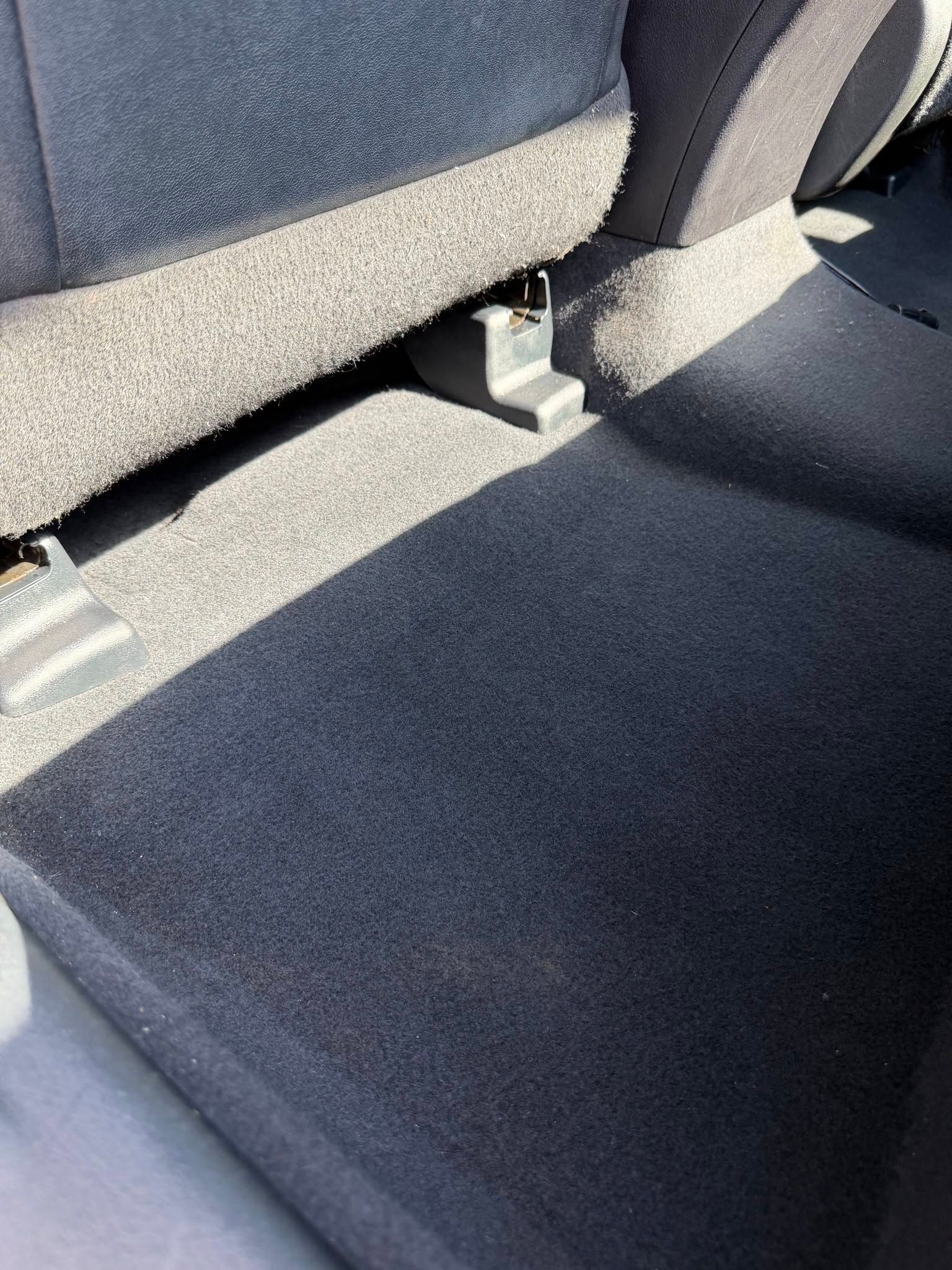
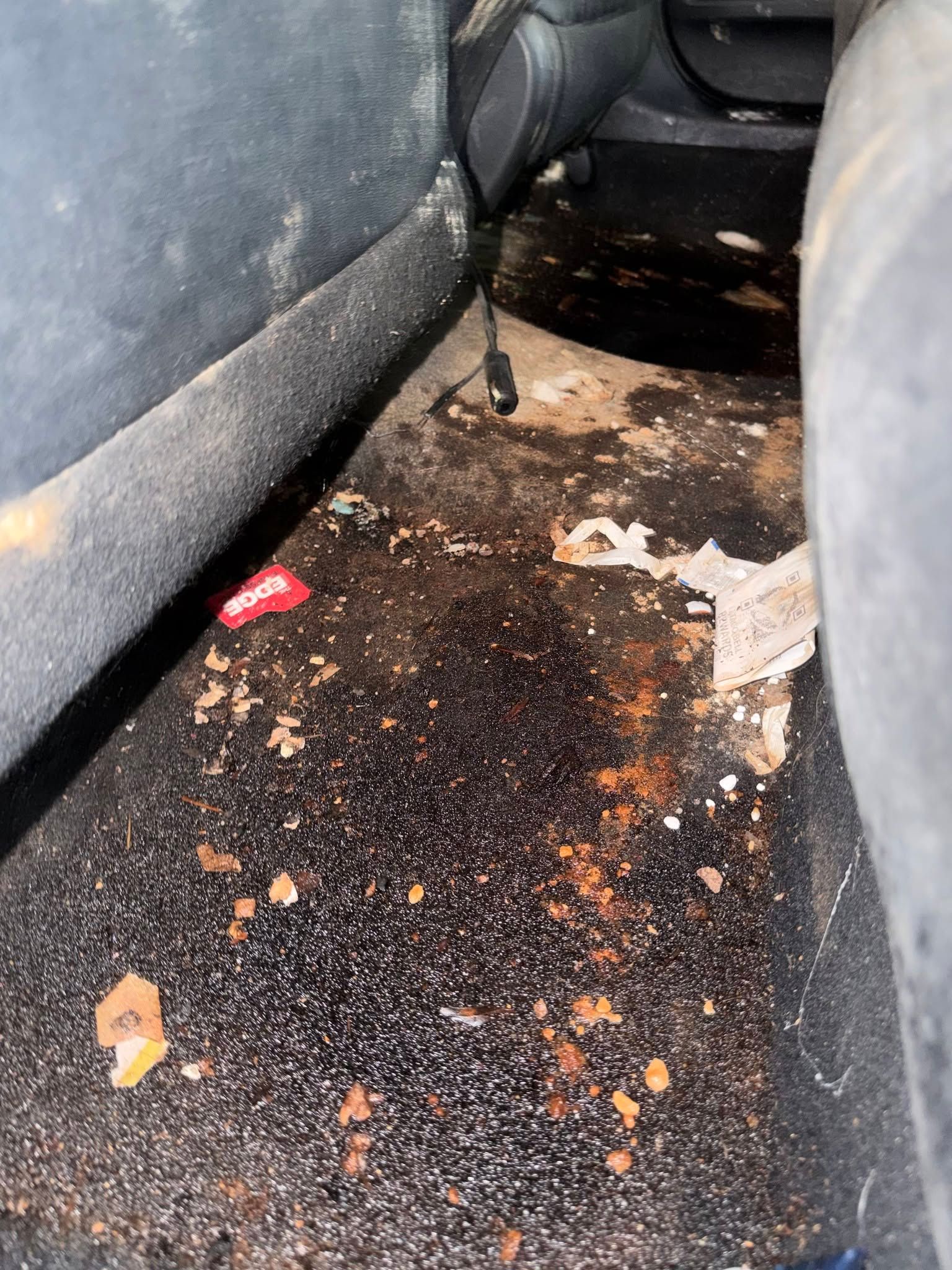
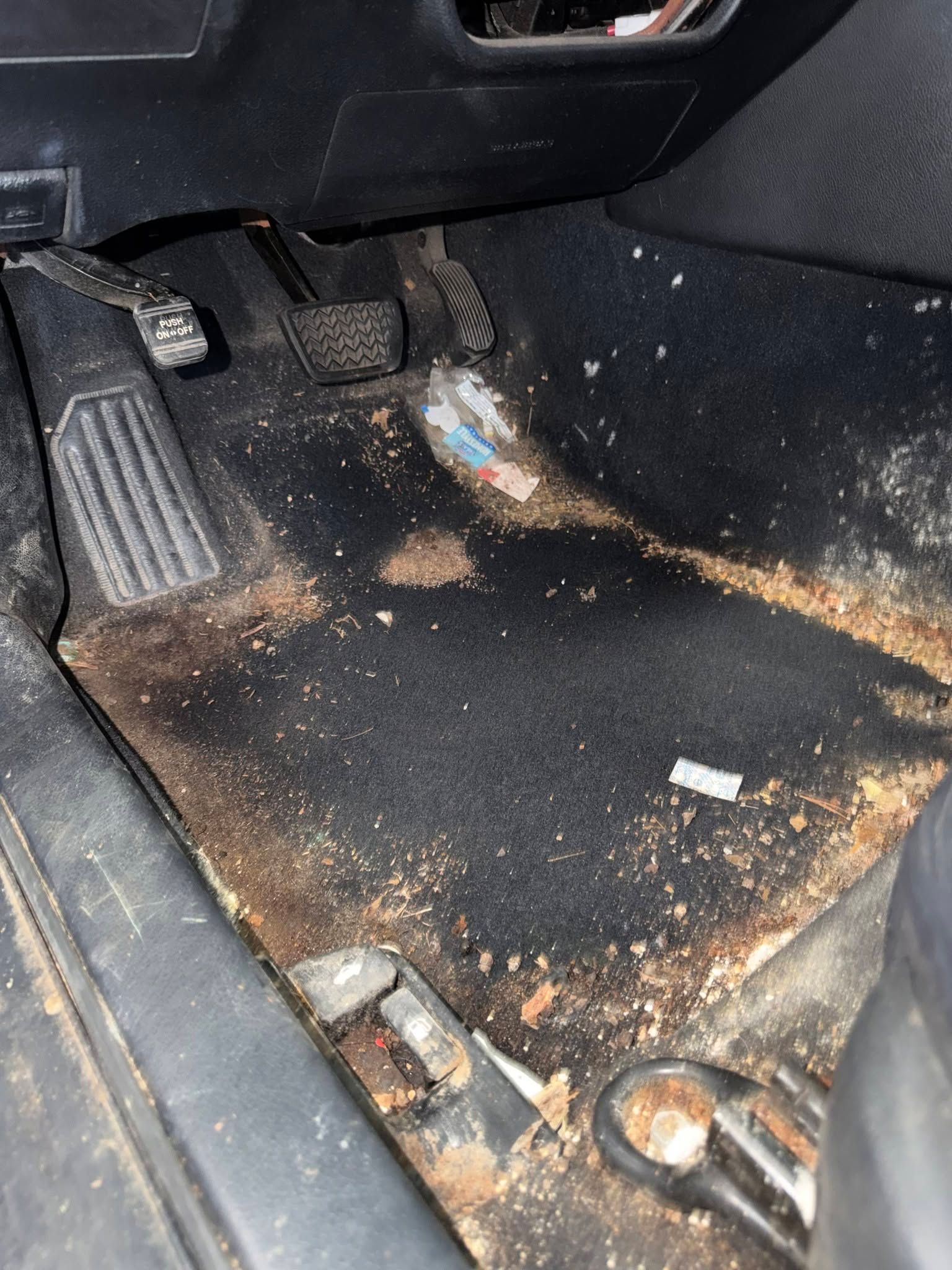
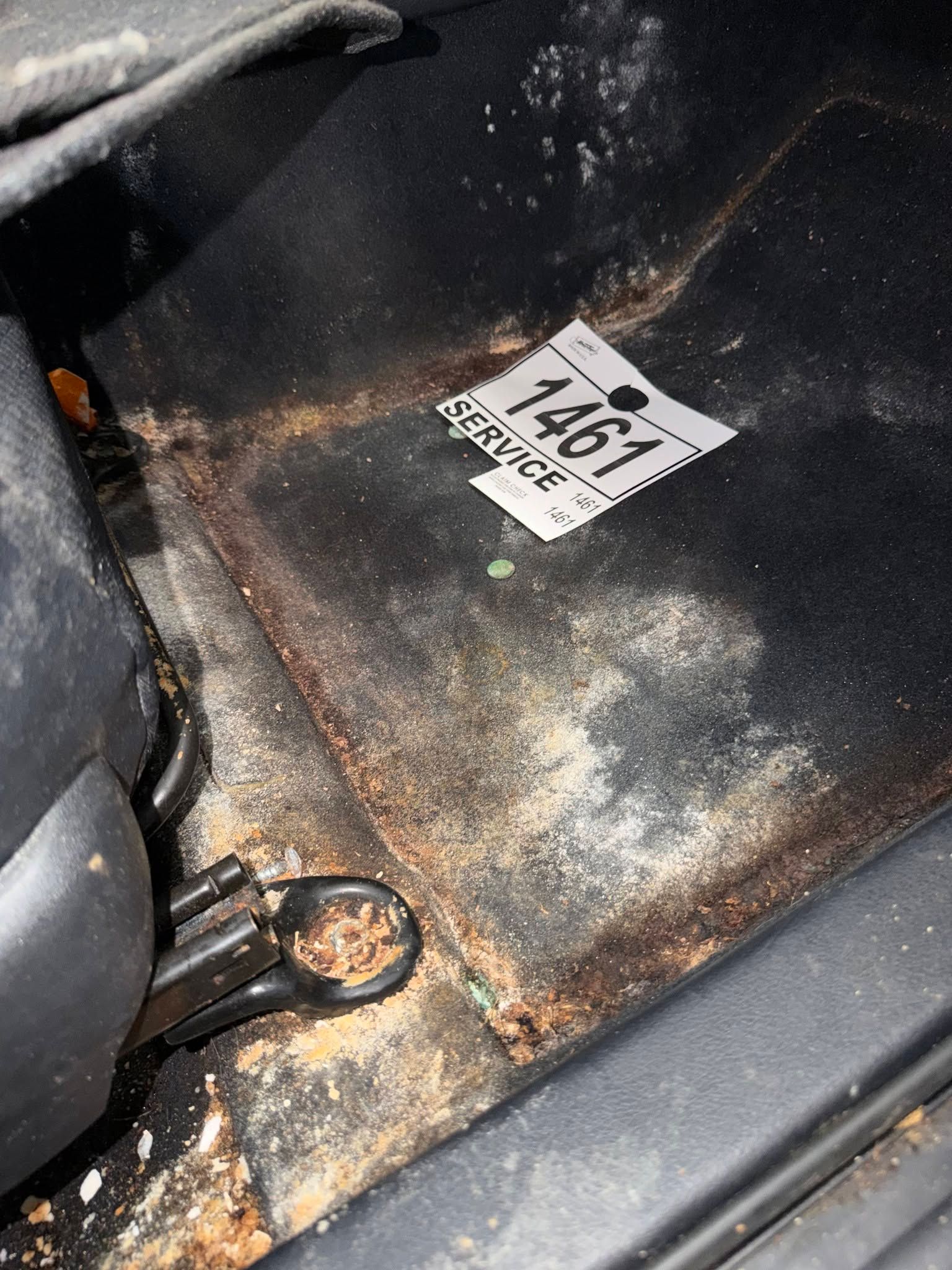
At Detail 360, our team recently completed a challenging interior detail involving mold remediation. The vehicle had significant contamination across the seating and flooring areas, requiring a detailed cleaning process to help restore a cleaner and more comfortable interior.
What Does Mold Inside a Car Look Like?
Mold inside a vehicle can appear as:
- White, gray, green, or dark spots
- Fuzzy or powdery growth
- Discoloration on fabric or carpet
- Spots on seats
- Growth around seams and crevices
- Musty odors
In some cases, mold can be visible immediately. In others, moisture and contamination may be present in less obvious areas of the interior.
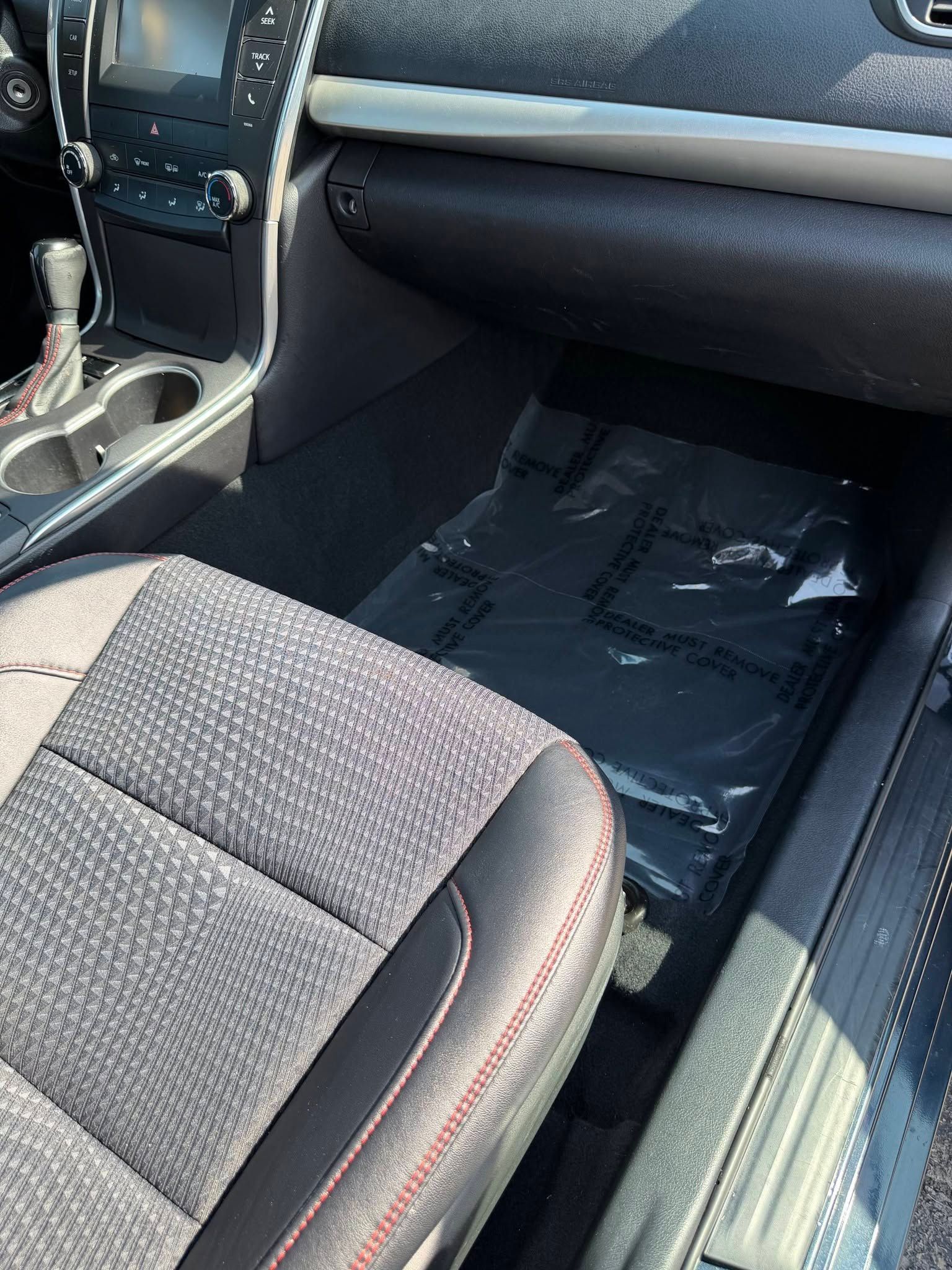
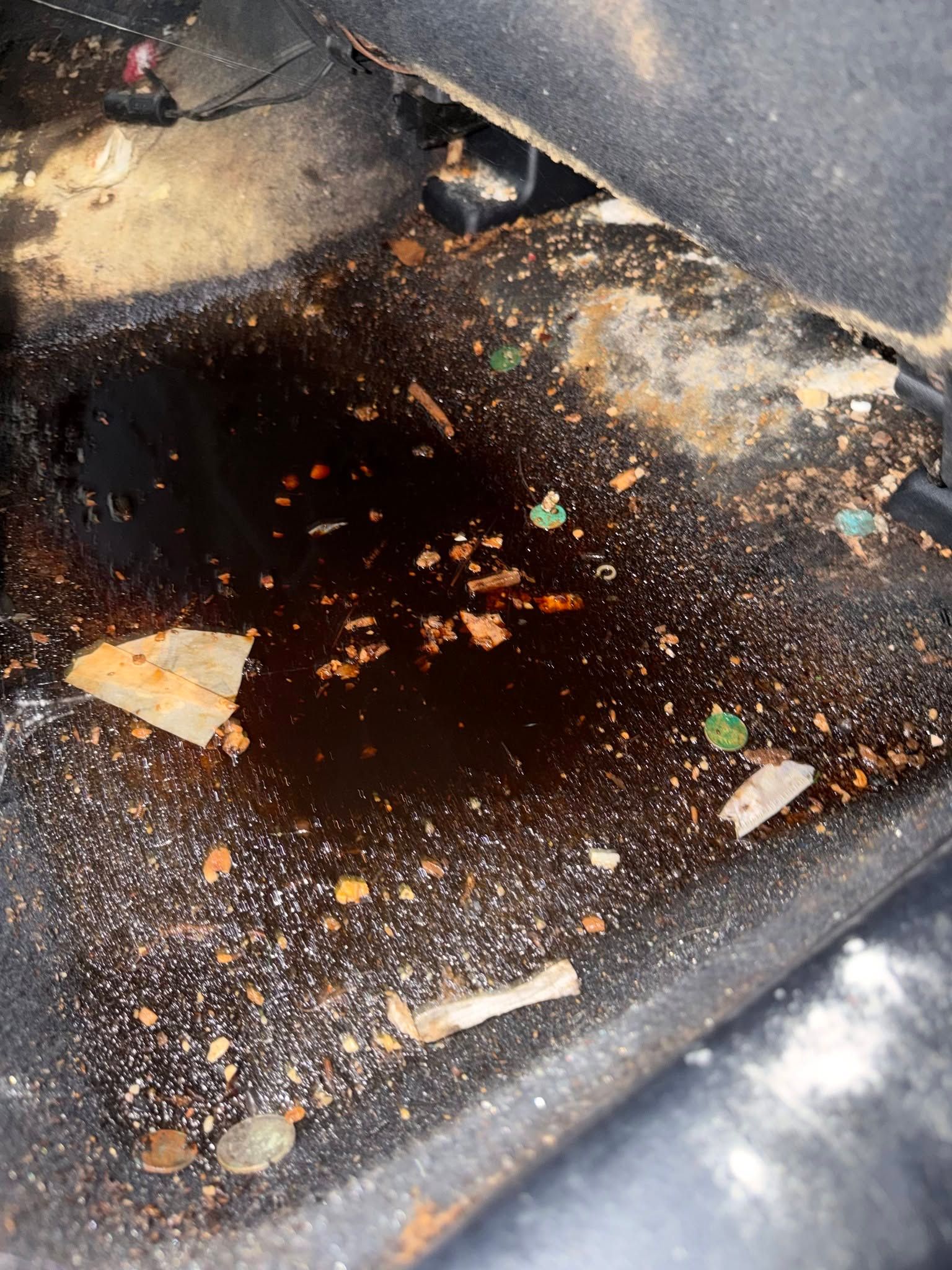
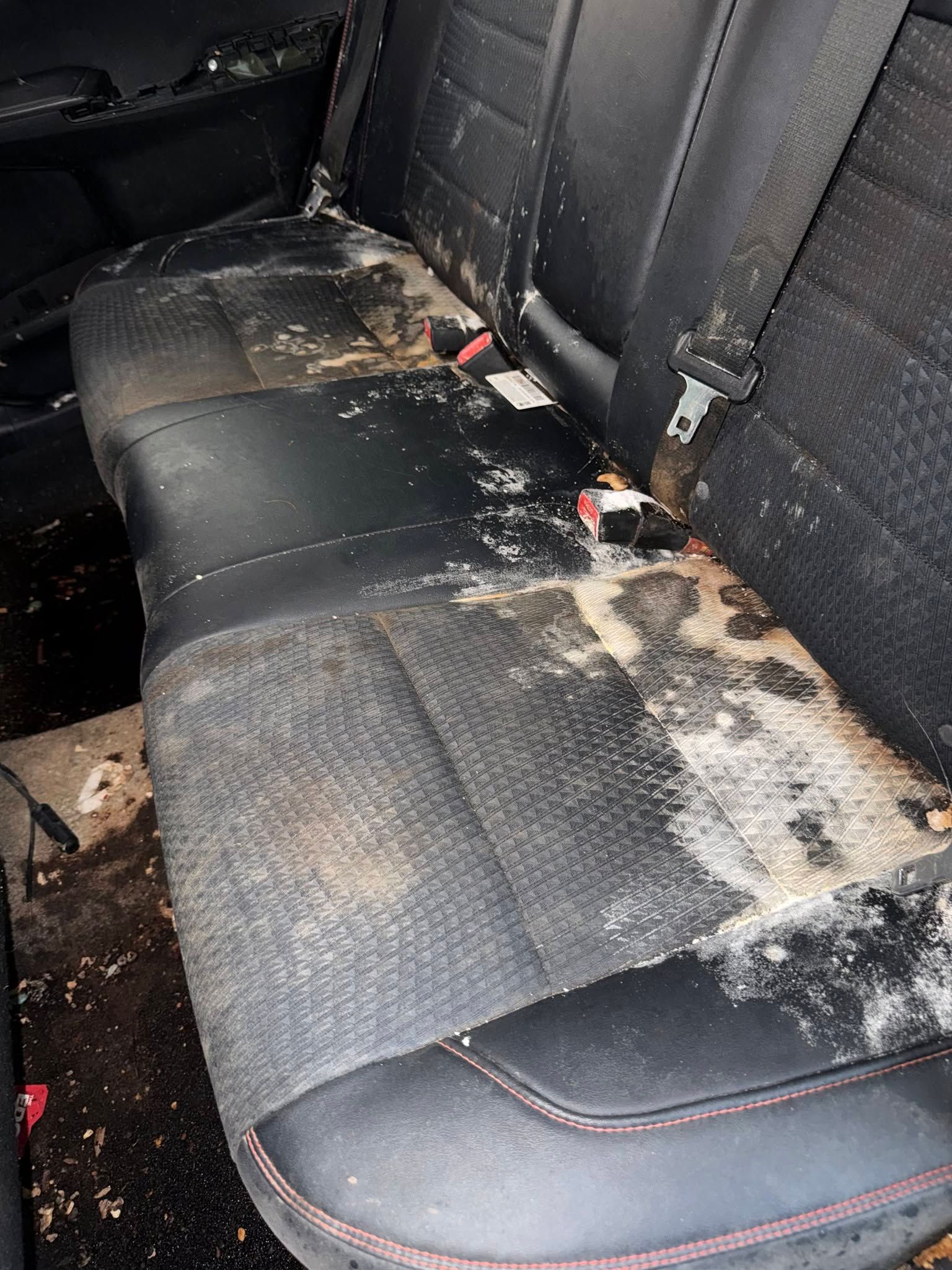
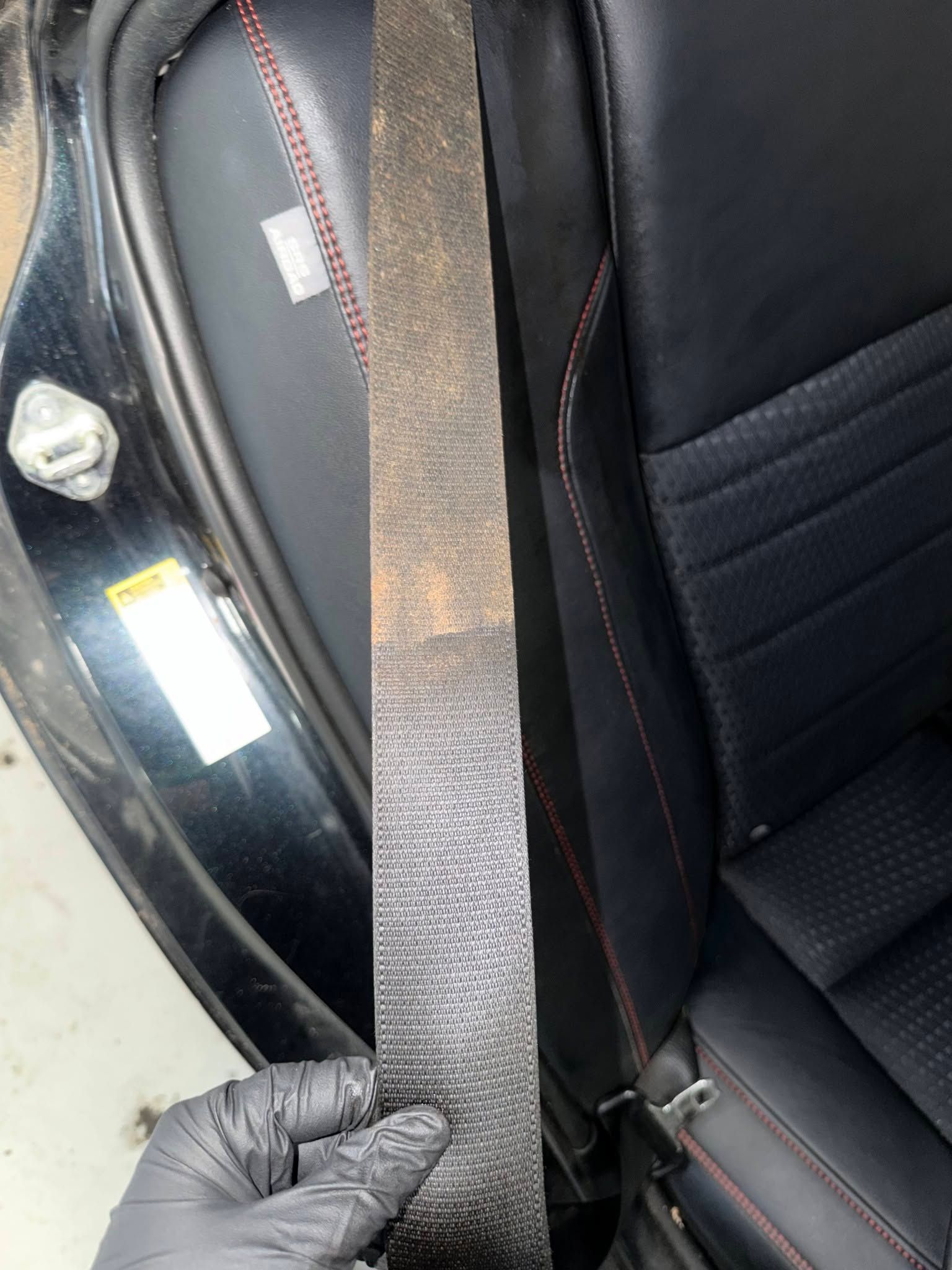
The photos from this Detail 360 project show how extensive an interior can become when mold and accumulated contamination are left untreated.
How Does Mold Get Inside a Vehicle?
Moisture is one of the biggest factors behind mold growth.
A vehicle can develop moisture problems for several reasons, including:
Water leaks
Damaged door seals, window seals, sunroof drains, or other areas can allow water to enter the cabin.
Flooding or standing water
A vehicle that has experienced flooding or significant water intrusion can have moisture trapped underneath carpeting and other materials.
Wet belongings
Wet clothing, towels, equipment, or other items left inside a vehicle can increase interior moisture.
Spills
Large spills that soak into upholstery or carpet can create conditions where moisture remains trapped.
Poor drying
Even after visible water is removed, moisture can remain underneath carpeting, padding, or upholstery.
If the underlying moisture problem isn't addressed, mold can return even after the interior has been cleaned.
Why Vacuuming Alone Isn't Enough
A regular vacuum can remove loose dirt and debris.
It isn't a complete solution for mold contamination.
Mold can affect fabric, carpet, seams, and other areas where simple surface cleaning may not address the underlying problem.
That's why a vehicle with visible mold requires a more thorough evaluation and cleaning process.
The objective isn't simply to make the visible spots disappear.
The affected areas need to be thoroughly cleaned and appropriately treated.
A Real Detail 360 Mold Remediation Project
This particular vehicle presented a significant interior-cleaning challenge.
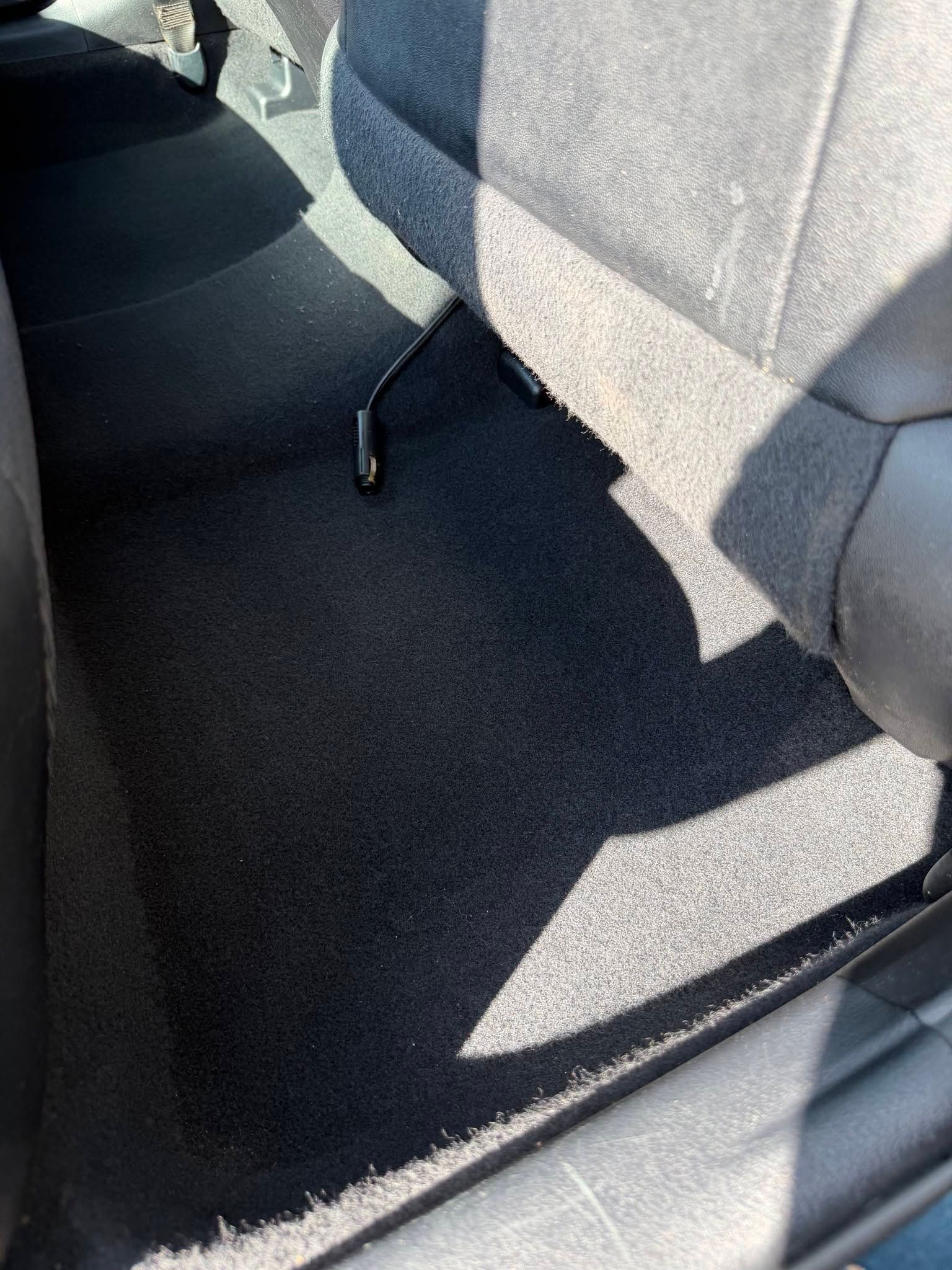
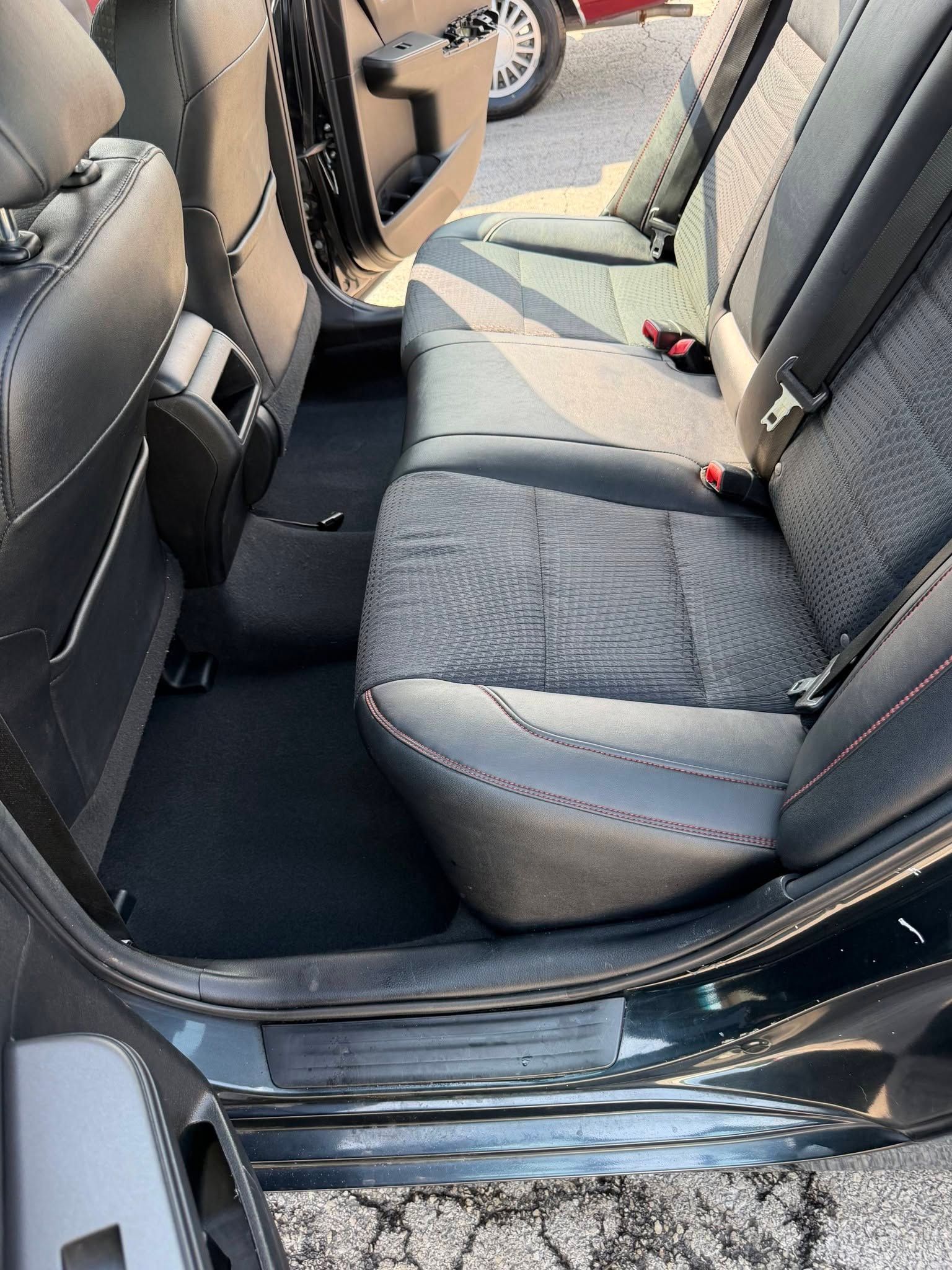
The photos show visible mold and heavy contamination across areas of the seating and flooring.
Rather than treating this like a standard interior detail, Kelsie approached the vehicle with additional care and attention.
The work involved thoroughly cleaning the affected interior areas and treating them as part of a mold-remediation process.
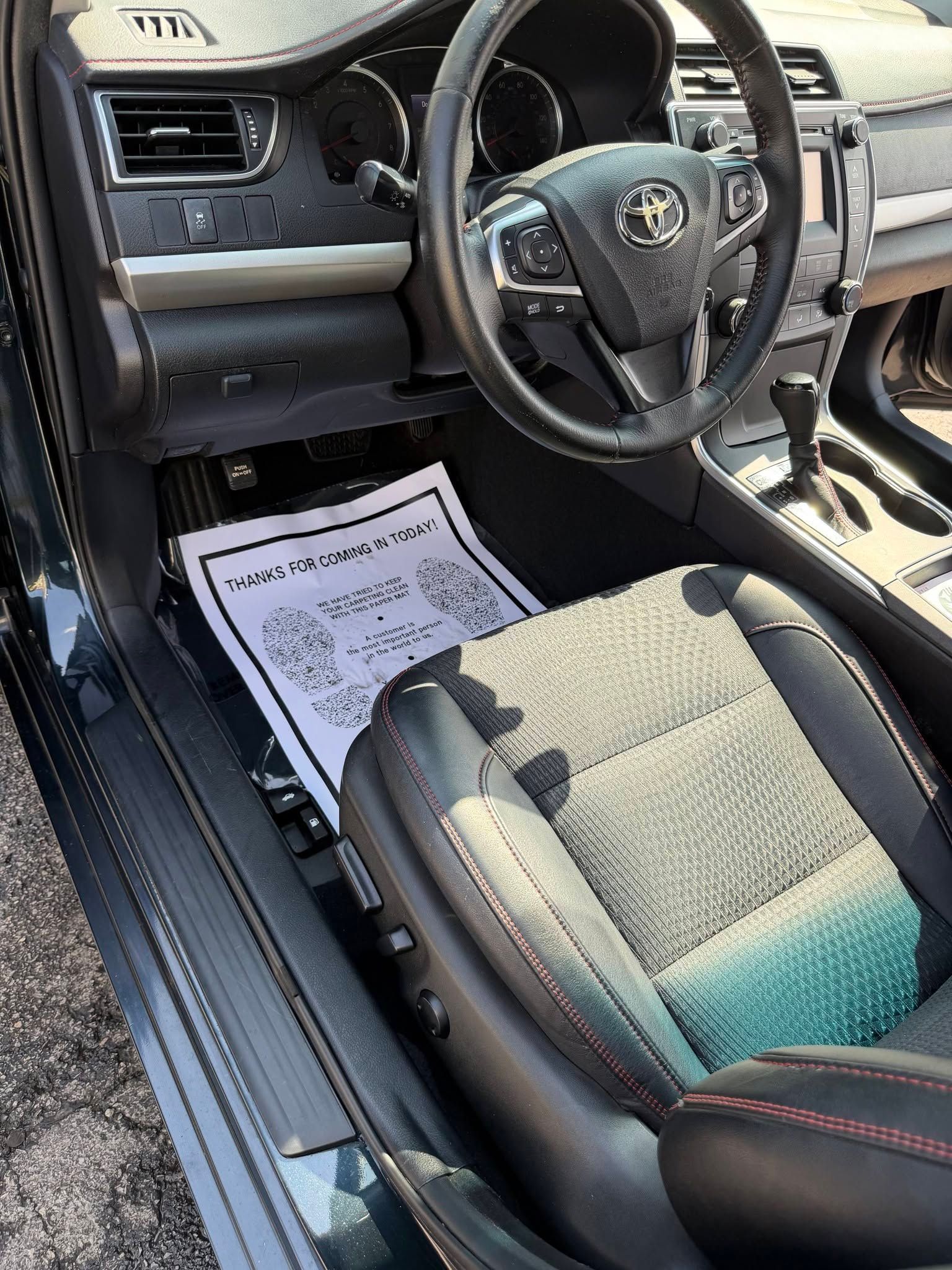
The difference between the condition shown in the initial photos and the finished interior is substantial.
The seats and flooring were restored to a considerably cleaner appearance, while accumulated dirt and debris were removed from the affected areas.
Ready to book your detail?
St. Peters, MO — serving O'Fallon, Lake St. Louis, Wentzville & beyond.
The Importance of Careful Interior Cleaning
Mold remediation isn't simply about making an interior look better.
A vehicle interior can contain many different materials, including:
- Cloth upholstery
- Carpet
- Foam padding
- Plastic
- Vinyl
- Leather
- Rubber
- Metal components
Different materials may require different cleaning approaches.
That's why a professional should evaluate the interior before determining how it should be treated.
Aggressive cleaning isn't automatically better. The goal is to clean the affected areas effectively while avoiding unnecessary damage to the vehicle's interior materials.
What Happens During Professional Car Interior Mold Removal?
The exact process depends on the condition of the vehicle and the extent of the affected areas.
A professional service may involve several stages.
1. Interior Evaluation
The vehicle is evaluated to determine where mold or visible contamination is present.
This includes looking beyond the most obvious areas and checking surrounding surfaces.
2. Removal of Loose Contamination
Loose debris and surface contamination are carefully removed before deeper cleaning begins.
3. Detailed Interior Cleaning
Affected surfaces are thoroughly cleaned using appropriate methods for the materials involved.
Depending on the vehicle, this can include specialized cleaning techniques for carpets, upholstery, plastics, and other interior surfaces.
4. Treatment of Affected Areas
The affected areas are treated as part of the remediation process.
The specific treatment depends on the materials and condition of the vehicle.
5. Drying
Proper drying is an important part of the process.
If moisture remains trapped in the interior, the conditions that contributed to the original mold growth may remain.
6. Final Inspection
The interior is inspected after cleaning and treatment to ensure the affected areas have received appropriate attention.
Can Mold Be Completely Removed From a Car?
The outcome depends on the extent of the contamination, the materials affected, and whether the source of moisture has been corrected.
Professional cleaning and remediation can significantly improve a contaminated interior, but there isn't a universal guarantee that every mold problem can be completely eliminated through detailing alone.
If mold has penetrated deeply into materials such as padding or other porous components, those materials may require additional evaluation or replacement.
This is one reason early attention matters.
Why Finding the Moisture Source Matters
Cleaning the interior is only part of addressing a mold problem.
If water continues entering the vehicle, mold can return.
Before or alongside professional remediation, the source of moisture should be identified and corrected.
Common sources can include:
- Door or window seal leaks
- Sunroof drainage problems
- Windshield leaks
- HVAC-related moisture
- Flooding
- Spills
- Wet carpeting
If you continue to have water entering the vehicle, a professional automotive repair shop may need to identify and repair the leak.
Is Mold Removal the Same as a Regular Interior Detail?
No.
A standard interior detail is generally focused on cleaning and maintaining the cabin.
Mold remediation requires additional attention because of the nature of the contamination and the possibility that moisture has affected areas beyond what is immediately visible.
That doesn't mean every vehicle with a musty odor has a mold problem.
But visible mold should not be treated like ordinary dirt or staining.
When Should You Consider Professional Mold Remediation?
Consider professional help when you notice:
- Visible mold growth
- A persistent musty odor
- Significant water intrusion
- Mold covering multiple interior surfaces
- A vehicle that has experienced flooding
- Mold returning after previous cleaning
- Moisture trapped in carpet or upholstery
The more extensive the contamination, the more important it is to approach the cleaning carefully.
Why Professional Equipment and Experience Matter
Mold-contaminated interiors can be difficult to clean properly.
Professional detailing equipment and appropriate cleaning methods can help address areas that are difficult to reach with household tools.
Experience also matters because different interior materials respond differently to cleaning.
At Detail 360, our interior detailing process can include techniques such as steam cleaning and hot-water extraction, depending on the vehicle and the condition of the interior.
For mold-related work, the vehicle is evaluated so the appropriate approach can be determined.
A Challenging Job Done With Care
This project was a good example of why difficult interior details require patience.
The initial condition of the vehicle presented a significant challenge, particularly with contamination across the seats and flooring.
Kelsie's careful and detailed work made a noticeable difference in the finished interior.
The result was a much cleaner-looking cabin and a significantly improved overall appearance.
Projects like this also demonstrate why professional interior detailing isn't always about making a vehicle look slightly cleaner.
Sometimes the interior needs much more extensive attention.
What Should You Do If Your Car Has Mold?
If you discover visible mold inside your vehicle, don't simply cover it with an air freshener or assume that a quick vacuum will solve the problem.
First, determine whether there is an ongoing moisture or water-intrusion issue.
Then consider having the vehicle professionally evaluated.
If the contamination is extensive or there are concerns beyond normal detailing, additional remediation or specialized services may be appropriate.
Professional Interior Mold Remediation in Missouri
Detail 360 provides professional interior detailing services for vehicles that need more than routine cleaning.
Our team can evaluate heavily contaminated interiors and determine what cleaning and treatment approach is appropriate for the vehicle.
For mold-related projects, the condition of the interior matters. The type of material, extent of contamination, moisture history, and affected areas all influence the work required.
If your vehicle has visible mold or significant interior contamination, contact Detail 360 to discuss the condition of your vehicle and the available options.
Final Thoughts
Mold inside a vehicle shouldn't be treated like ordinary dirt or a simple stain.
It can be a sign of a larger moisture problem and may require more extensive cleaning and treatment than a standard interior detail.
The recent Detail 360 project demonstrates what careful, detailed work can accomplish when a vehicle's interior has significant contamination.
Most importantly, addressing the visible problem should go hand in hand with identifying and correcting the source of moisture.
A cleaner interior starts with addressing the underlying problem—not simply covering it up.
FAQs
Can mold be removed from a car interior?
Professional cleaning and remediation can significantly improve a mold-affected vehicle interior. Results depend on how extensive the contamination is, what materials are affected, and whether the source of moisture has been corrected.
What causes mold to grow inside a car?
Mold typically develops when moisture remains in the vehicle for an extended period. Water leaks, flooding, wet carpeting, spills, and other sources of trapped moisture can contribute to mold growth.
Can a normal interior detail remove mold?
A standard interior detail may not be appropriate for significant mold contamination. Mold-affected vehicles may require a more specialized cleaning and treatment approach.
Will mold come back after professional cleaning?
It can return if the source of moisture isn't corrected. Identifying and repairing water leaks or other moisture problems is an important part of preventing recurring contamination.
Can mold damage car seats and carpet?
Mold can affect porous materials such as fabric, carpet, and upholstery. The extent of the damage depends on how long the moisture and contamination have been present and how deeply they have affected the material.
Is professional mold remediation necessary for every vehicle?
Not necessarily. The appropriate response depends on the extent of the mold and contamination. Visible or extensive mold, persistent moisture, or recurring contamination are good reasons to have the vehicle professionally evaluated.
Not Sure Which Service Is Right for Your Vehicle?
Tell us what you drive and how you use it — we'll recommend the right service, honestly, whether that's a quick detail or full protection package.
Book your detailing service today and keep your vehicle looking its best year-round.
share this
Related Articles
Related Articles