



Article
Can Interior Detailing Remove Mold From a Car? What Missouri Vehicle Owners Should Know
Discovering mold inside your vehicle can be frustrating—and concerning. Whether it's a musty smell after heavy rain, moisture trapped under floor mats, or a forgotten spill that never fully dried, mold can develop surprisingly quickly inside a car.
The good news is that professional interior detailing can often remove mold from many vehicle interiors, especially when it's detected early. However, the success of mold removal depends on how far the mold has spread, which materials are affected, and whether the underlying moisture problem has been fixed.
For Missouri vehicle owners, where humid summers and frequent storms create ideal conditions for mold growth, addressing the issue promptly can help prevent further damage to your vehicle's interior.
Why Does Mold Grow Inside a Car?
Mold needs three things to grow:
- Moisture
- Warm temperatures
- Organic material (dust, dirt, food particles, fabric)
Unfortunately, vehicle interiors often provide all three. Common causes include:
- Wet carpets after rain
- Flooding
- Water leaks around doors or windows
- Leaving windows slightly open
- Spilled drinks
- Snow and wet shoes during winter
- Damp floor mats
- Clogged sunroof drains
- Air conditioning condensation
Even a small amount of trapped moisture can allow mold to begin growing within a couple of days.
Is Mold Inside a Vehicle Dangerous?
Besides creating unpleasant odors, mold may affect your driving experience and comfort. Some people may notice:
- Persistent musty smells
- Increased allergy symptoms
- Sneezing
- Eye irritation
- Respiratory discomfort
Mold can also stain carpets, upholstery, headliners, and other interior surfaces if left untreated.
Can Professional Interior Detailing Remove Mold?
In many cases, yes.
Professional interior detailing focuses on cleaning and restoring interior surfaces using specialized tools and products designed to remove contamination that regular cleaning often misses. If your vehicle also has lingering cigarette odors, you may be interested in learning whether interior detailing can remove smoke smells from cars, since smoke particles and mold often become trapped in the same soft surfaces.
Depending on the condition of the vehicle, the process may include:
- Thorough vacuuming
- Steam cleaning
- Carpet extraction
- Upholstery cleaning
- Cleaning plastic and vinyl surfaces
- Treating affected areas with appropriate cleaning solutions
- Odor removal
- Drying the interior
If mold has only affected the surface or upper layers of upholstery and carpet, professional detailing often produces excellent results.
When Mold May Be Difficult to Remove
Not every mold problem can be completely solved through detailing alone. If mold has been left untreated for a long period, it can permanently stain fabrics or damage upholstery. In situations where discoloration remains after cleaning, our article on Can Interior Detailing Remove Stains From Car Seats? explains what types of stains can typically be removed and when permanent damage may remain.
Additional repairs may be necessary if:
- Mold has penetrated seat foam
- Water continues entering the vehicle
- Flood damage occurred
- The HVAC system contains mold
- Carpet padding has become heavily contaminated
In these situations, replacing affected materials or repairing leaks may be necessary before detailing can fully restore the interior.
Signs Your Vehicle May Have Mold
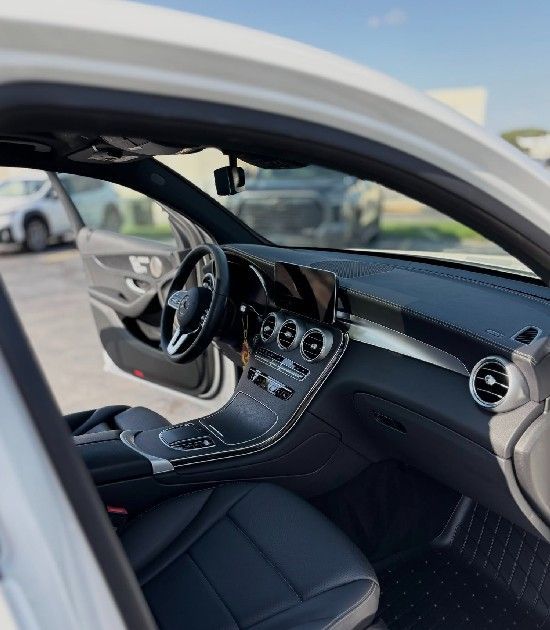
Watch for these warning signs:
- A musty smell that returns after cleaning
- White, green, or black spots on upholstery
- Damp carpets
- Foggy windows that persist
- Water collecting under floor mats
- Visible discoloration near seat rails
- Moisture inside the trunk
If you notice these signs, it's best to have the vehicle inspected before the problem spreads.
Missouri Weather Can Increase the Risk
Missouri experiences humid summers, seasonal storms, and changing temperatures throughout the year.
These conditions can create moisture inside vehicles through:
- Heavy rainfall
- High humidity
- Wet clothing
- Snow and road slush during winter
- Condensation inside parked vehicles
Regular interior inspections and prompt cleaning after water exposure can help reduce the chance of mold developing.
Can You Remove Mold Yourself?
Minor surface mold can sometimes be cleaned at home if caught early. However, DIY cleaning has limitations:
| DIY Cleaning | First Professional Interior Detailing |
|---|---|
| Cleans visible mold | Cleans deeper into fabrics and carpets |
| Limited equipment | Professional extraction and steam cleaning |
| May leave moisture behind | Proper drying helps reduce recurring issues |
| Often masks odors | Focuses on removing the source of odors |
If mold keeps returning after cleaning, there is usually an underlying moisture problem that should be addressed.
How to Prevent Mold Inside Your Car
Reducing moisture is the best prevention. Helpful habits include:
- Dry spills immediately.
- Remove wet floor mats.
- Fix water leaks promptly.
- Keep weather seals in good condition.
- Avoid leaving damp items inside the vehicle.
- Clean the interior regularly.
- Park in covered areas when possible.
Routine interior detailing can also help remove dirt and organic material that mold feeds on.
When Should You Schedule Professional Interior Detailing?
Professional detailing is recommended if:
- The musty smell won't go away.
- You notice visible mold.
- Your vehicle recently experienced water intrusion.
- Floodwater entered the cabin.
- Carpets stay damp.
- You're preparing to sell the vehicle.
- You purchased a used vehicle with odor concerns.
Addressing mold early often makes restoration easier and may help prevent additional interior damage.
Frequently Asked Questions
Can detailing completely remove mold?
Many mold issues can be significantly reduced or removed through professional interior detailing, especially when treated early. Severe contamination or ongoing water leaks may require repairs in addition to detailing.
Does steam cleaning kill mold?
Steam cleaning can help clean affected surfaces, but the overall success depends on the severity of contamination and whether moisture has been eliminated.
Can mold come back after detailing?
Yes. If the source of moisture isn't repaired, mold can return even after a thorough cleaning.
How long does mold removal take?
Every vehicle is different. Light contamination may require only a standard interior detailing service, while more extensive mold problems can take longer and may involve additional restoration work.
Does insurance cover mold removal?
Coverage depends on the cause of the damage and the specific insurance policy. Water damage from certain covered events may qualify, while long-term neglect typically does not.
Can pet hair make mold worse?
Pet hair itself doesn't create mold, but it can trap moisture, dirt, and organic material that contribute to mold growth. If your vehicle frequently carries pets, our article on Can Professional Detailing Remove Pet Hair From Cars? explains how deep cleaning helps maintain a healthier interior.
Protect Your Vehicle's Interior Before Mold Gets Worse
Mold rarely disappears on its own. The longer moisture remains trapped inside your vehicle, the greater the chance of permanent odors, stains, and material damage.
If you've noticed a musty smell, damp carpets, or visible mold,
professional interior detailing can help assess the condition of your vehicle and determine the most appropriate cleaning approach. Taking action early can improve the chances of restoring your interior and preventing further damage.
Not Sure Which Service Is Right for Your Vehicle?
Tell us what you drive and how you use it — we'll recommend the right service, honestly, whether that's a quick detail or full protection package.
Book your detailing service today and keep your vehicle looking its best year-round.
share this
Related Articles
Related Articles